Fabric Conditioner: When to Use It, When to Skip It, and A More Sustainable Way to Use It

Many people aren’t sure when to use fabric conditioner or whether they need it at all. In some cases it helps clothes feel softer and last longer. In others it can flatten fibres, block performance fabrics, or reduce absorbency. This guide gives you clear rules so you know exactly when conditioner helps and when it causes problems. You’ll learn how to use it, which fabrics to avoid, and how to switch to a lower-waste option.
When to Use Fabric Conditioner
Fabric conditioner is useful in some situations, but not all. The points below show the moments when it improves softness, comfort, and fabric care. These are the times when adding a small amount makes a noticeable difference.
When You Want Clothes to Feel Softer
Some clothes feel rough straight out of the wash. This can happen to everyday cotton basics or older garments that have lost their softness. Conditioner helps in these moments by relaxing the fibres. It softens the fabric surface so clothes feel smoother against your skin. This works well for T-shirts, loungewear, jumpers, and anything you want to feel gentle and comfortable.
When Washing Cotton, Linen, and Wool Blends
Natural fibres need more protection than synthetics. They rub together in the drum, which can weaken the fabric and cause pilling over time. Conditioner lowers this friction and supports the structure of the fibres. It keeps cotton, linen, and wool blends strong, smooth, and less prone to wear. This is less about softness and more about longevity and fibre care.
When Washing Bedding or Pyjamas
Softness is important on items worn against your skin. Bedding, pillowcases, and pyjamas touch your face and body for long periods. If the fabric is rough, it can irritate sensitive skin. Conditioner smooths these fibres and makes them feel gentle and comfortable. It also helps reduce friction against the skin during sleep. This can be useful for people with dry or reactive skin.
When Living in a Hard Water Area
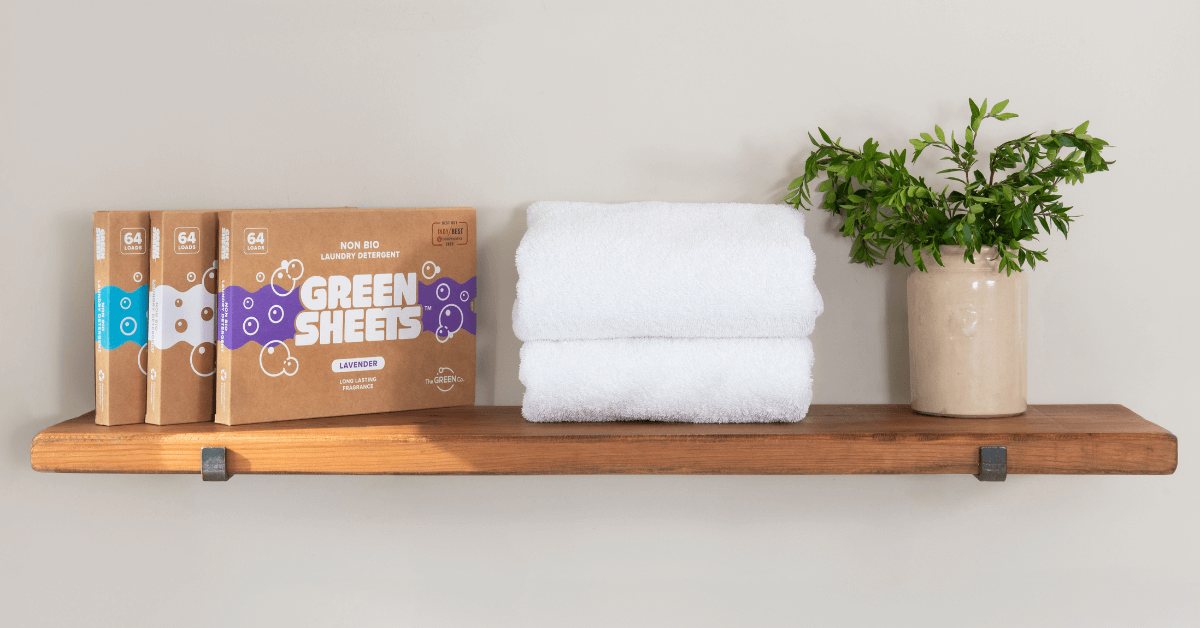
Hard water leaves mineral deposits on fabric. These minerals stiffen fibres and make clothes feel rough. Conditioner helps break up these deposits and restore softness. Fabric Conditioner GreenSheets™ work well in hard water regions because they dissolve with no residue. For hard water, we recommend using two sheets in the rinse cycle for extra softness.
🧺 Try Fabric Conditioner GreenSheets™ from 95p.
When Reducing Static in Certain Synthetics
Some synthetic fabrics cling or spark after a wash. This usually happens when the fibres build up an electrostatic charge in the drum. Conditioner helps reduce this charge by smoothing the fibre surface. This stops clothing from sticking together and makes them easier to wear.
When Preserving Colour and Preventing Fading
Colour fades when fibres rub together. This rubbing creates a fuzzy surface that makes colours look dull even when the dye is still there. Conditioner lowers abrasion in the wash, keeps fibres smooth, and helps coloured fabrics stay bright for longer. It also helps garments keep their shape because the fibres move more freely instead of pulling against each other.
When to Skip Fabric Conditioner
Fabric conditioner is not suitable for every fabric. Some materials rely on absorbency or breathability while others use technical finishes that conditioner can block. These are the moments when you should avoid using it.
When Washing Towels
Towels need to absorb water quickly. Conditioner coats the fibres and reduces this absorbency. This leaves towels feeling soft but far less effective. Wash towels without fabric conditioner to keep them fluffy and absorbent. You can use it every few washes, but not every time.
When Washing Microfibre Cloths
Microfibre cloths clean by trapping dust and moisture between thousands of fine fibres. Conditioner coats these fibres and stops them gripping dirt. It is best to avoid conditioner to keep microfibre working as intended.
When Washing Gym Wear and Activewear
Most activewear uses wicking technology to pull sweat away from the skin. Fabric conditioner blocks this process. It coats the fibres and stops moisture moving through the fabric. Wash gym wear with detergent only to keep the fabric breathable.
When Washing Waterproof Jackets or Outdoor Gear
Waterproof clothing uses special coatings that repel water. Fabric conditioner interferes with these coatings and reduces their performance. Skip conditioner and follow the care label for best results.
When Washing Cloth Nappies and Baby Absorbent Fabrics
Absorbency matters on nappies, boosters, and reusable wipes. Absorbency is reduced when using fabric conditioner. Wash with a natural laundry detergent only, then rinse well.
When Washing Flame-Resistant Clothing
Some uniforms and children’s sleepwear use flame-resistant finishes. Fabric conditioner can affect these finishes and reduce safety. Always skip it on flame-resistant items.When Washing Fabric That Needs Breathability
Certain fabrics rely on air movement to stay cool and comfortable. Conditioner coats the fibres and can trap moisture against the skin. Avoid it on lightweight summer clothing or anything marked as breathable.
How to Use Fabric Conditioner Properly
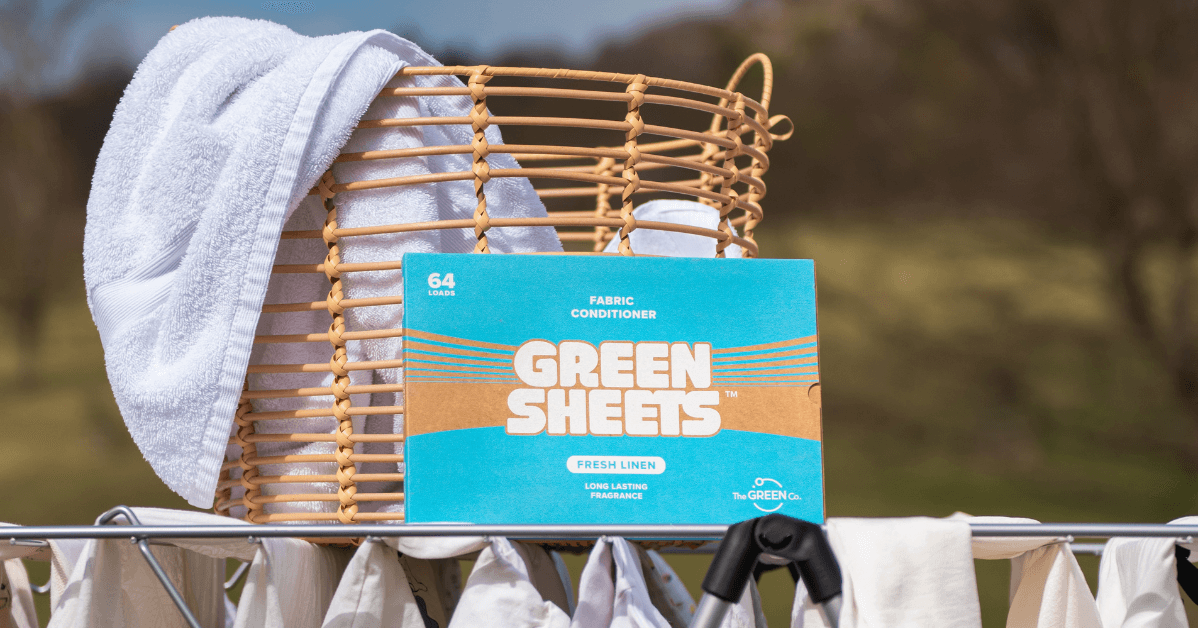
Fabric Conditioner GreenSheets™ give you softness without liquid, residue, or waste. You can use them in two ways depending on your preference. Follow these steps for the best results.
1. Check Care Labels
Look at the care instructions on your clothing and bedding. Only use fabric conditioner on fabrics that can tolerate it, listed above.
2. Choose How You Want to Use Your Fabric Conditioner GreenSheets™

You can use Fabric Conditioner GreenSheets™ in two simple ways.
Option 1: Place the sheet directly into the drum: Add the sheet, then load your washing on top. This lets water dissolve the sheet quickly and evenly.
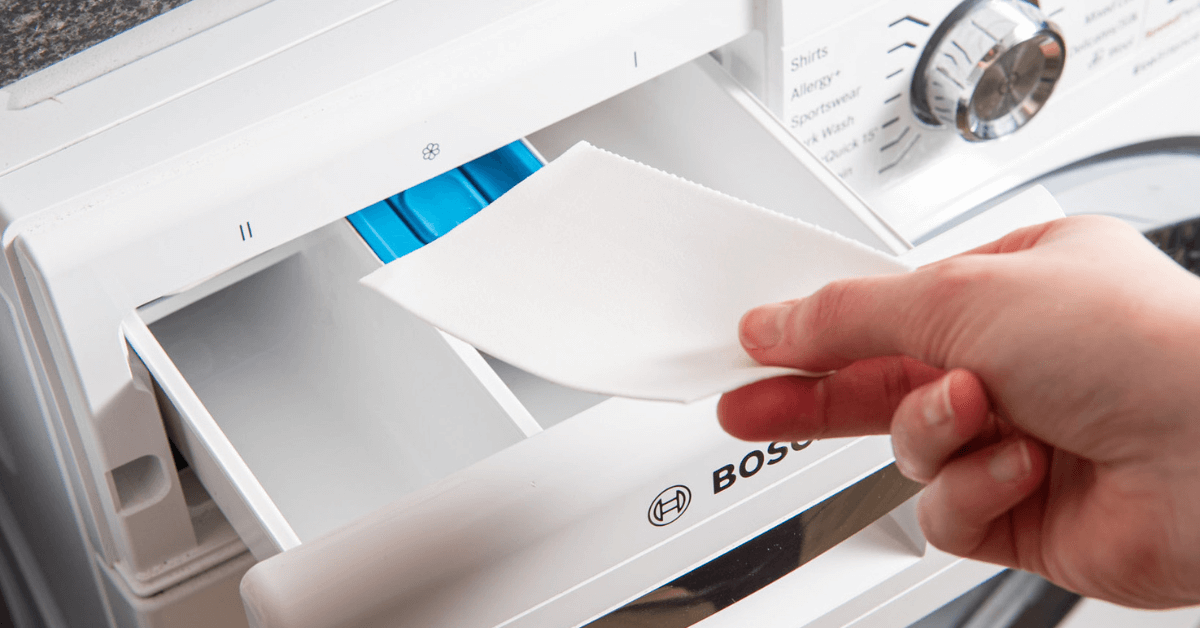
Option 2: Place the sheet in the softener drawer: Add the sheet to the softener drawer and pour a small amount of water over it. This helps draw the sheet into the rinse cycle. It will dissolve during the rinse phase.
How many sheets to use:
-
Use one sheet in soft or moderate water areas.
-
Use two sheets in hard water areas for extra softness.
3. Load Your Washing Machine
Add your clothes or bedding to the drum. Do not overload. Clothes need space so the conditioner can reach every fibre.
4. Choose Your Wash Cycle
Select your usual wash cycle. Fabric Conditioner GreenSheets™ work in any cycle, including cold washes and quick washes. No changes to your routine are needed.
5. Let the Rinse Cycle Do the Work
GreenSheets™ dissolve when they touch water. In the drum, they dissolve at the start. In the drawer, they dissolve during the rinse. In both cases, the conditioner blends into the wash and coats fibres lightly.
6. Remove Laundry and Dry as Normal
Once the cycle finishes, remove your laundry and dry it as normal. You should notice softer, smoother fabric with no greasy layer or residue.
🧺 Make your next wash day easier with Fabric Conditioner GreenSheets™.
A More Sustainable Way to Use Fabric Conditioner
Liquid softeners create plastic waste, leave residue in drawers, and often lead to overpouring. Fabric Conditioner GreenSheets™ change this. They offer a cleaner, low-waste way to soften clothes with far less impact on your home and the planet.
Choose Lightweight, Low-Waste Conditioner Sheets
Fabric Conditioner GreenSheets™ replace heavy plastic bottles with a lightweight sheet. They are easy to store and simple to use. There is no mess, no spills, and no leftover liquid in the drawer. This makes them ideal for small spaces, busy family homes, and anyone looking for a low-waste laundry swap.
Avoid Common Mistakes Caused by Liquid Softeners
Liquid softener can cause several common problems. It can build up in the drawer, encourage mould, and leave marks on clothing if too much is poured. Fabric conditioner sheets prevent these issues. Each sheet is pre-measured and dissolves with no residue. There is no overpouring, no thick liquid left behind, and nothing to clog the softener compartment.Reduce Unnecessary Packaging and Waste
Most liquid conditioners come in large plastic bottles. They take up space and add unnecessary waste. GreenSheets™ use slimline, compostable packaging and weigh far less. This reduces transport emissions and household recycling.
🧺 Switch to a low-waste routine with Fabric Conditioner GreenSheets™.
FAQs
Is fabric conditioner necessary?
Not always. It helps soften natural fibres and reduce friction, but some fabrics perform better without it. Towels, sportswear, microfibre cloths, and waterproof clothing should be washed without any conditioner.
When should I not use fabric conditioner?
Avoid using it on anything that needs absorbency, breathability, or technical performance. This includes towels, microfibre cloths, gym wear, nappies, waterproof layers, and flame-resistant clothing.
Why should you avoid fabric conditioner on towels?
Towels rely on absorbency. Conditioner coats the fibres and reduces this absorbency. This makes towels feel soft but far less effective.
Can fabric conditioner damage my washing machine?
Liquid softeners can build up in the drawer and encourage mould. Over time this can block parts of the machine. Fabric Conditioner GreenSheets™ help prevent this because they dissolve with no residue.
Are fabric conditioner sheets better than liquid softener?
They offer several benefits. Sheets remove the chance of overpouring, reduce residue in the drawer, and cut down plastic waste. Fabric Conditioner GreenSheets™ also come in slim packaging that is easier to store and creates less household recycling.