How to Keep White Clothes White (Without Bleach or Harsh Chemicals)

White clothes do not stay bright by accident. With each wash, fibres trap residue, minerals, and body oils. Over time, they start to look grey or yellow. If you are searching for how to keep clothes white, your current routine is likely not protecting them properly.
Many people reach for bleach. It seems like the quickest fix. In reality, dullness rarely comes from a lack of whitening products. It usually comes from detergent build up, hard water minerals, or poor dosing. These problems sit inside the fabric and reduce brightness from within.
You do not need harsher chemicals. You need a better system. When you understand why whites lose their brightness, you can stop the damage early. The right detergent, correct dosing, and smarter washing habits protect fibres and prevent build up.
This guide breaks down why whites turn grey or yellow and shows you exactly how to keep clothes white without bleach. It focuses on using methods that protect fabric and deliver long term results.
Why Do White Clothes Turn Grey or Yellow?
White clothes turn dull because of build up, not because they lack bleach. Each wash leaves small traces behind. Over time, those traces change how fabric reflects light.
The biggest cause is detergent residue. Many people use too much liquid or powder. The machine cannot rinse it all away. The leftover detergent traps dirt inside the fibres. Whites begin to look flat and grey.
Hard water makes this worse. Minerals such as calcium and magnesium bind to detergent and fabric. This creates deposits inside the weave. Clothes feel stiff and lose brightness. Hard water build up is one of the main reasons white fabrics never look completely clean.
Sweat and body oils cause yellowing. Underarms suffer most. When sweat reacts with deodorant ingredients, it creates stains that oxidise. Heat from washing or tumble drying can lock those stains in place.
Washing whites with colours transfers dye slowly over time. Even pale fabrics release small amounts of colour. The change is gradual but noticeable over months.
Overloading the drum prevents proper rinsing. Clothes need space to move. Without movement, detergent and dirt stay trapped.
If you want to understand how to keep clothes white, start by removing these causes. Prevention protects brightness far better than repeated bleaching.
How to Keep Clothes White Without Bleach
If you want to know how to keep clothes white without bleach, focus on stopping build up before it starts. Most whitening problems come from residue, overdosing, and poor washing habits. Fix those first.
Use the Right Laundry Detergent

Detergent choice matters more than most people realise. Many liquids and powders leave excess behind, especially when you pour freely. That residue dulls fabric over time.
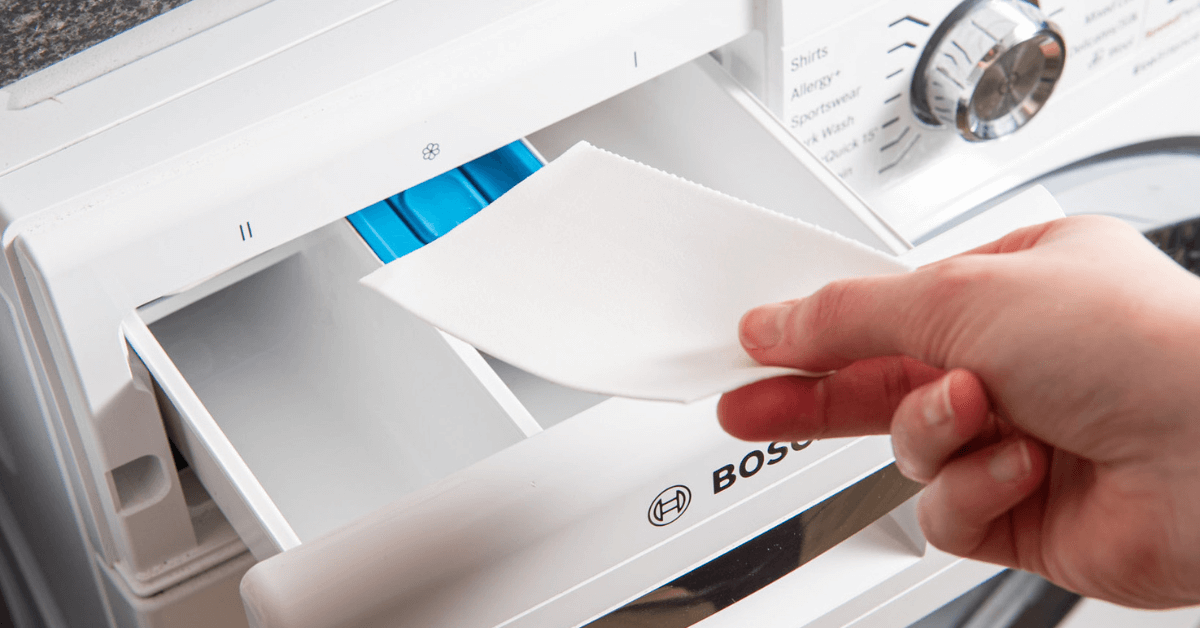
Laundry detergent sheets reduce this risk. They contain a controlled dose, so you cannot easily overload the wash. Each laundry sheet dissolves and they rinse clean. This helps prevent detergent residue and hard water deposits from clinging to fibres.
Look for a formula that:
• Works at lower temperatures
• Contains no chlorine bleach
• Offers a fragrance-free option
• Supports sensitive skin
• Minimises excess foam
The best laundry detergent for white clothes cleans thoroughly but leaves nothing behind. Clean fabric reflects light better. That is what keeps whites bright.
Wash Whites Separately
Always wash whites on their own. Even light coloured garments release small amounts of dye. Over time, this transfers onto white fibres and creates a dull tone. Taking time to sort loads properly protects brightness of clothing.
Use Sunlight to Your Advantage
Sunlight helps break down organic stains. UV exposure can lift mild yellowing and freshen fabric. Dry white bedding and shirts outside when possible, but remove them once dry to prevent fibre damage.
Treat Stains Early
Yellow sweat stains and food spills set quickly. Pre treat them before washing. A simple baking soda paste or diluted hydrogen peroxide can lift early discolouration.
When you combine proper sorting, correct dosing, and residue free detergent, you solve the root cause. That is how to keep whites white long term.
How to Get Whites White Again
If you are searching how to get whites white again, your fabrics likely already look dull or yellow. Corrective methods can help. Just remember that these fix symptoms, not the cause.
Start by removing residue and mineral build up.
Baking Soda Soak
Fill a basin with warm water and add one cup of baking soda. Submerge white garments and soak for several hours. Baking soda helps break down body oils and loosen trapped detergent residue.
Hydrogen Peroxide Solution
Use a 3 percent hydrogen peroxide solution diluted with water. This acts as a mild oxygen brightener. It can lift yellow sweat stains and restore brightness without chlorine bleach. Apply directly to stained areas or soak the garment before washing.
Vinegar Rinse
Add white vinegar to the rinse cycle. Vinegar helps dissolve detergent residue and reduce hard water deposits. It also softens fabric without coating it.
Sun Drying
After treatment, dry garments in direct sunlight. UV rays help fade organic stains and improve brightness of clothing.
These methods support natural laundry whitening and can revive grey white clothes. But be careful, if you return to overdosing detergent or fabric condtioner, dullness will return.
Is Bleach Actually the Best Option?
Bleach delivers fast results. It strips colour from stains and makes fabric look brighter in one wash. That speed makes it appealing. Long term, it creates problems.
Chlorine bleach weakens fibres. It breaks down cotton over time and can cause thinning or small tears. Repeated use also reacts with sweat and body oils, which can lead to yellowing rather than whitening.
Bleach also has an environmental cost. Chlorine based formulas require careful manufacturing and disposal. They can irritate skin and airways in some households, especially in enclosed laundry spaces. That does not mean bleach is dangerous when used correctly, but it is a strong chemical that requires care.
Oxygen bleach is gentler. It works by releasing oxygen to lift stains. However, it still relies on soaking and higher temperatures. It does not fix detergent residue or hard water build up.
Most dullness comes from trapped minerals and leftover detergent, not from a lack of bleaching power. When residue sits inside fibres, fabric cannot reflect light properly. No amount of chlorine will solve that root issue.
If your goal is long term brightness, reduce build up instead of increasing chemical strength. Bleach can help in specific cases. It should not be your main strategy for keeping whites white.
Best Laundry Detergent for White Clothes

If you are asking what is the best laundry detergent for white clothes, the answer is simple. Choose a formula that cleans thoroughly, dissolve and leaves no residue behind.
Many traditional liquids and powders encourage overdosing. Excess detergent stays in the fabric and traps dirt. Over time, whites lose brightness. The best laundry detergent for whites prevents this build up in the first place.
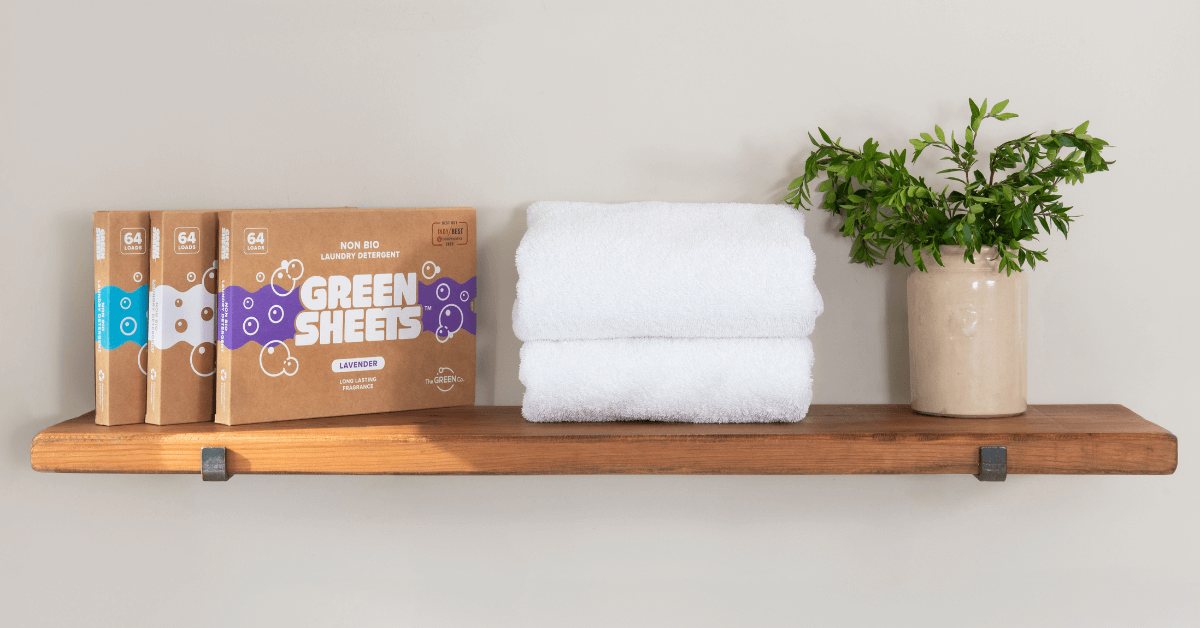
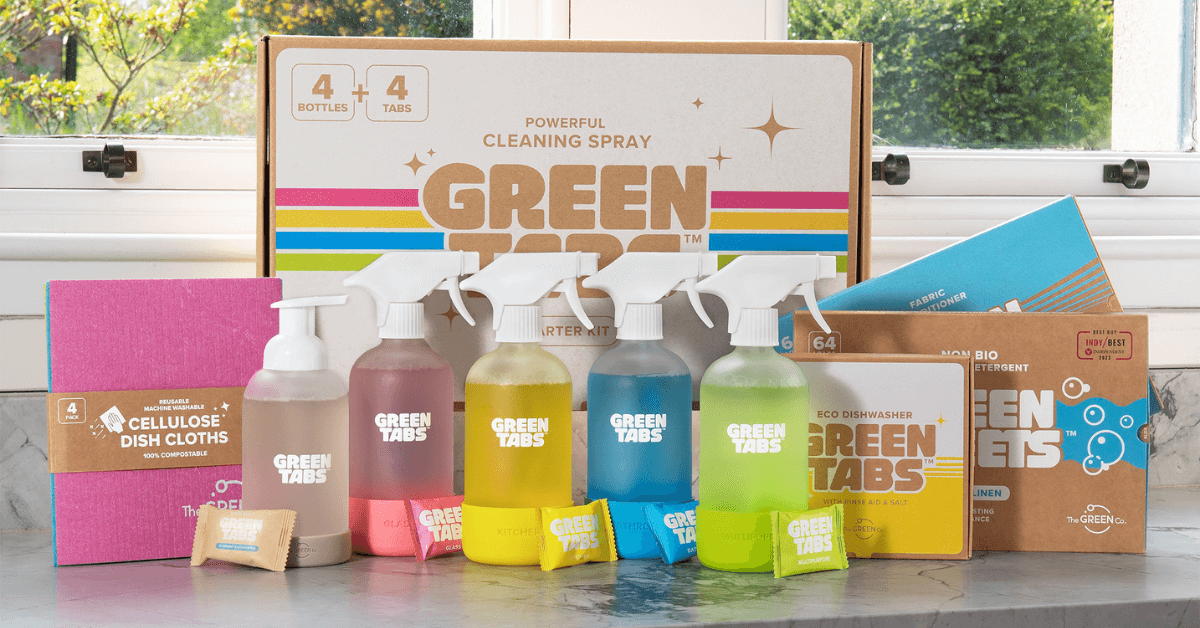
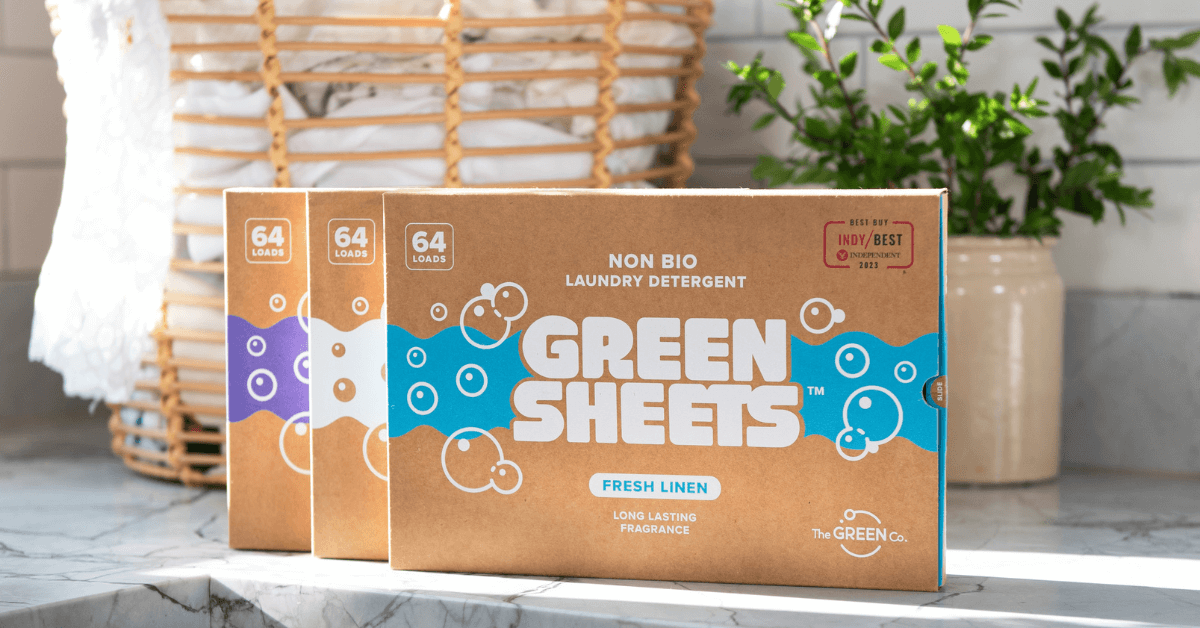
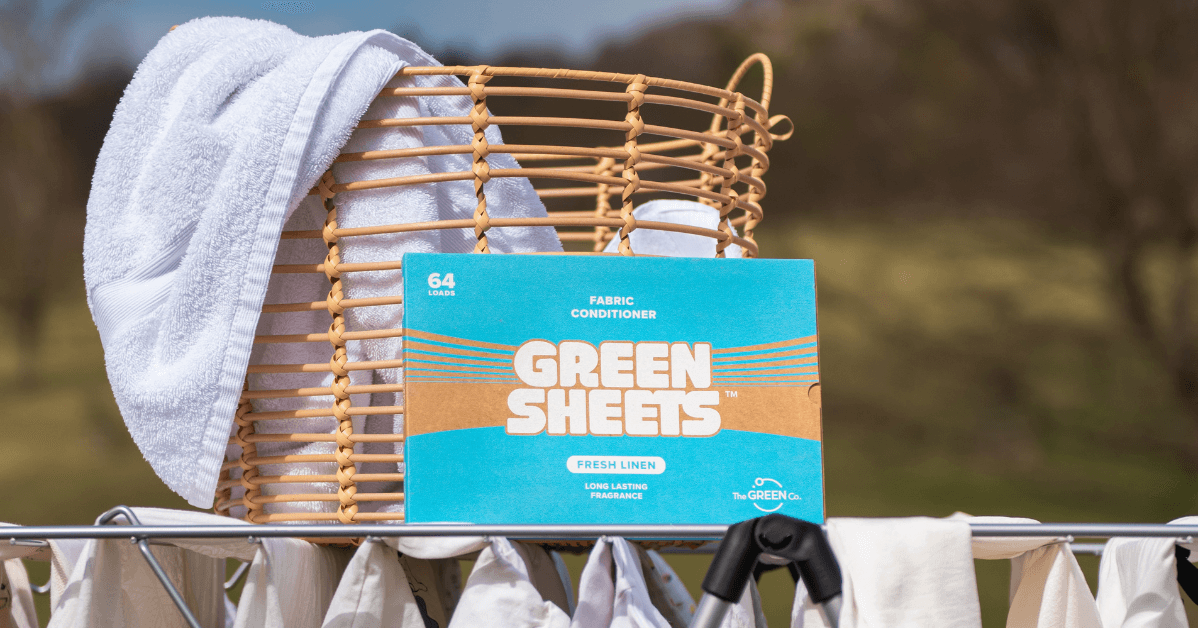
Laundry Detergent GreenSheets™ use a pre measured dose, which reduces the risk of residue. Each sheet dissolves completely in the wash and works at lower temperatures or for hand washing. This helps protect fibres and limit hard water interaction.
They also offer:
• A fragrance free option for sensitive skin
• No chlorine bleach
• Reduced packaging waste
• A lower temperature washing solution
Because they rinse clean, they support long term brightness rather than temporary whitening. That makes them a practical choice for eco conscious households looking for a non toxic laundry detergent that protects white fabrics.
🧺 If you want a simple way to reduce residue and protect your whites from dullness, explore Laundry Detergent GreenSheets™ and see how they fit into your routine.
FAQ
How do I get white clothes white again?
Start by removing build up. Soak dull whites in warm water with baking soda to loosen trapped oils and detergent residue. For yellow sweat stains, apply diluted hydrogen peroxide directly to the area before washing.
Wash using a properly dosed detergent, such as laundry sheets. Dry garments in sunlight where possible. Once brightness returns, focus on prevention. Separate loads, dose correctly, and reduce residue to stop dullness from coming back.
How to keep clothes white without bleach?
Use a detergent that dissolves fully and avoid overdosing. Wash whites separately from colours to prevent dye transfer. Treat stains early and dry in sunlight when possible.
These steps protect fibres and reduce build up. That is how to keep clothes white without relying on harsh chemicals.
What is the best laundry detergent for whites?
The best laundry detergent for white clothes cleans effectively and leaves no residue. Overdosing is one of the main causes of dullness. A pre measured option such as laundry detergent sheets can help control this.
Look for a formula that works at lower temperatures, avoids chlorine bleach, and supports sensitive skin.
Why do white clothes turn yellow?
White clothes turn yellow due to sweat, body oils, deodorant reactions, and mineral deposits from hard water. Heat can set these stains permanently if not treated early.
Can you wash whites in cold water?
Yes. Modern detergents work effectively at lower temperatures. Cold washing reduces fibre damage and lowers energy use, which helps protect both your clothes and the environment.
Eco Friendly Tips for Keeping Whites Bright
You do not need harsh chemicals to maintain bright whites. Small changes in your routine make a measurable difference.
Wash at lower temperatures whenever fabric allows. Modern detergents clean effectively in cooler water and reduce fibre stress. Lower temperatures also cut energy use.
Avoid overdosing detergent. More product does not mean cleaner clothes. Excess formula creates residue, which traps dirt and dulls fabric over time.
Line dry outside when possible. Sunlight helps lift light staining and freshens fabric without added chemicals. It also reduces reliance on tumble drying.
Choose a non toxic laundry detergent that rinses clean and avoids unnecessary additives. Fewer coatings mean less build up inside fibres.
Finally, rotate your wardrobe. Reducing constant wear and washing helps preserve brightness for longer.
Protect the fabric first. Brightness follows.
Final Thoughts
Keeping white clothes white does not require stronger chemicals. It requires a better system.
Most dullness comes from detergent residue, hard water minerals, and poor dosing habits. When you remove build up and protect fibres, whites stay brighter for longer. That is the real answer to how to keep clothes white.
Focus on prevention. Wash whites separately. Avoid overdosing. Treat stains early. Choose a detergent that dissolves fully and rinses clean.
Small changes in your routine protect fabric over time. The result is brighter whites without repeated soaking or chlorine bleach.