Foam vs Gel vs Bar: What’s the Best Hand Soap for You and the Planet?

Supermarket shelves are full of options. Foaming hand soap, gel pumps, traditional bars, and products labelled as soap that is antibacterial all promise effective hygiene. Since Covid, awareness around hand washing has increased across the UK. Many households now think more carefully about what sits beside the sink.
At the same time, more people are questioning the environmental impact of everyday eco cleaning products. Plastic bottles pile up and pump dispensers are rarely recycled. Refillable cleaning products are becoming more common.
So what actually matters when choosing hand soap? Effectiveness at removing bacteria. Skin comfort with frequent washing. And long-term environmental impact.
This article compares foam, gel, and bar formats clearly and practically. It will help you decide what works best for your home and for the planet.
Does the Type of Hand Soap Really Matter?
At a basic level, all soap works in a similar way. Soap molecules break down lipid membranes and lift dirt, oils and microorganisms from the skin. The format matters less than technique. Wash for around 20 seconds. Rub palms, backs of hands and between fingers. That mechanical action does most of the work.
For most UK homes, regular soap is enough. You do not need soap that is antibacterial for everyday use. Public health guidance is clear. Standard soap and proper hand washing remove bacteria effectively.
Overusing heavy-duty antibacterial ingredients raises concerns. Some active agents can drive resistance over time. For that reason, stronger formulations are usually reserved for clinical or high-risk settings, not routine domestic use.
That leads to a common question: does foaming soap clean as well as gel or bar soap? When used properly, all three formats remove bacteria. The real differences lie in formulation, coverage, efficiency and environmental impact, not the core cleaning mechanism.
When comparing the best antibac soap options, focus on ingredients, longevity and packaging. Format alone does not tell the full story.
Foaming Hand Soap
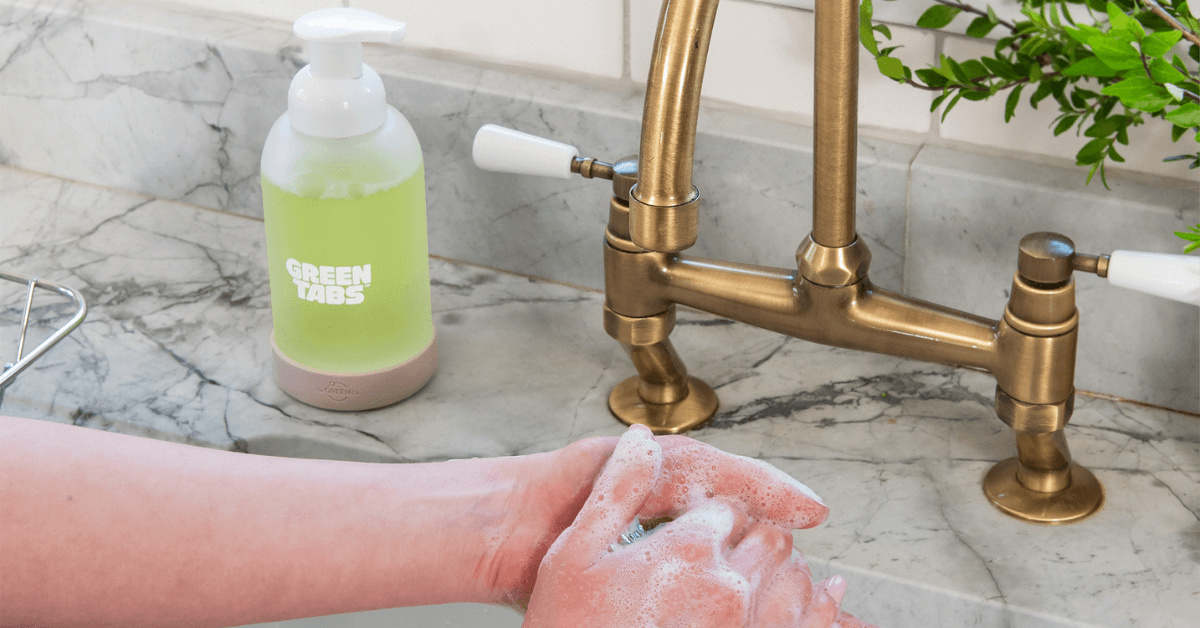
Foaming hand soap differs from gel and bar formats in how it is dispensed. The pump mixes air with the liquid as it is released, creating foam at the point of use. This helps spread the formula evenly across the hands without needing to build up a lather first. The bigger distinction, however, often lies in the delivery system.
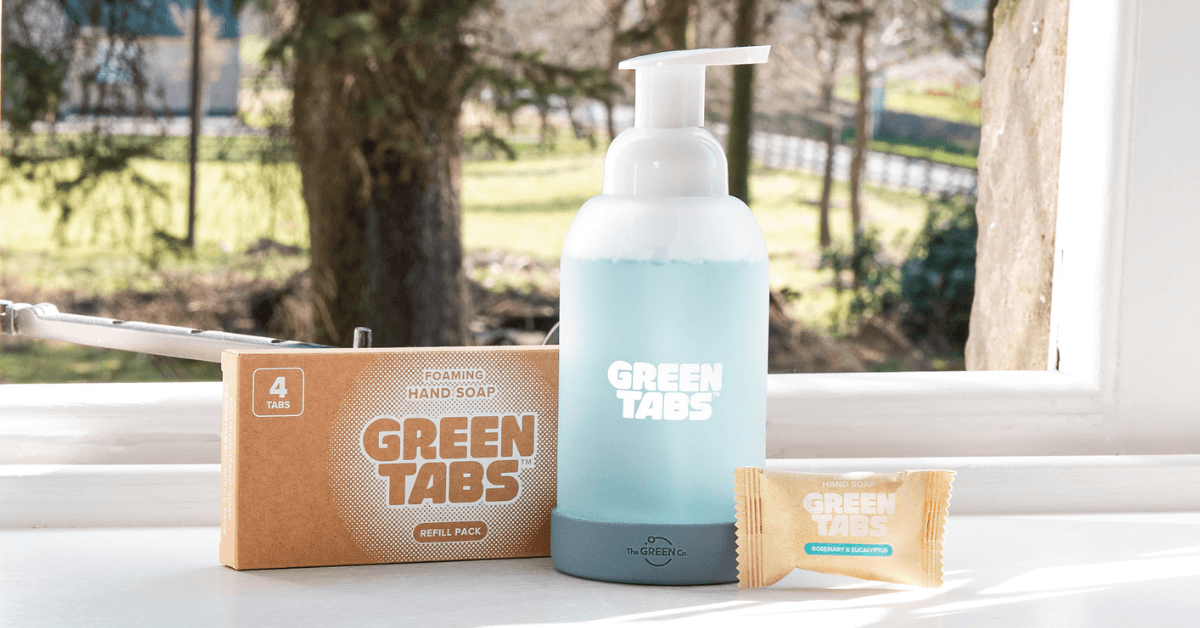
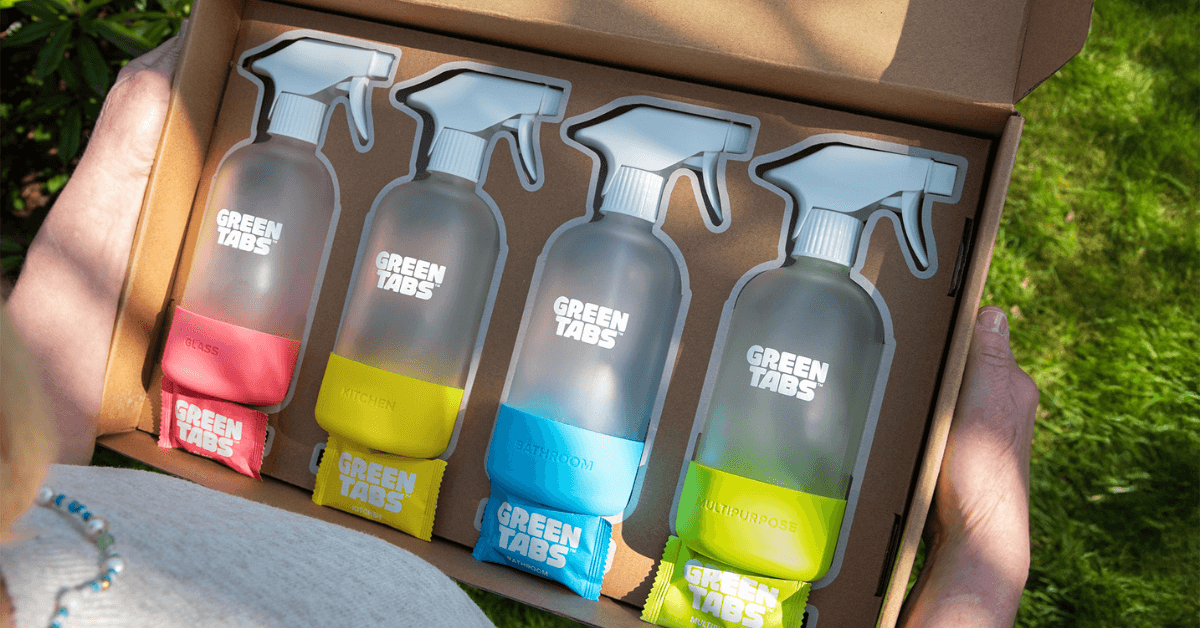
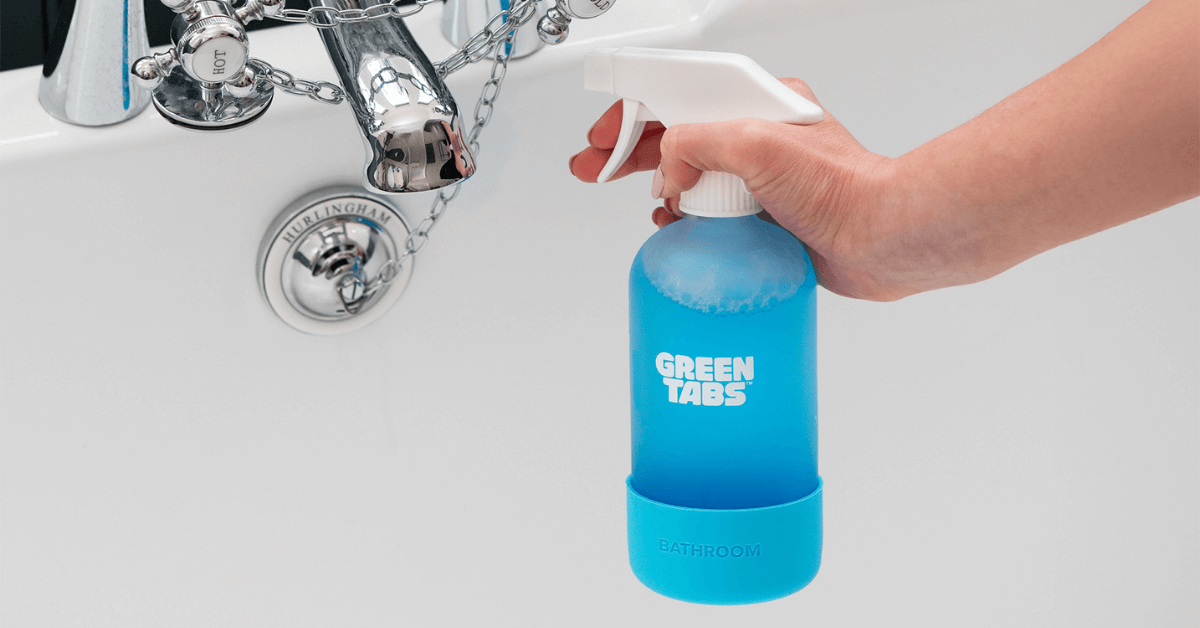
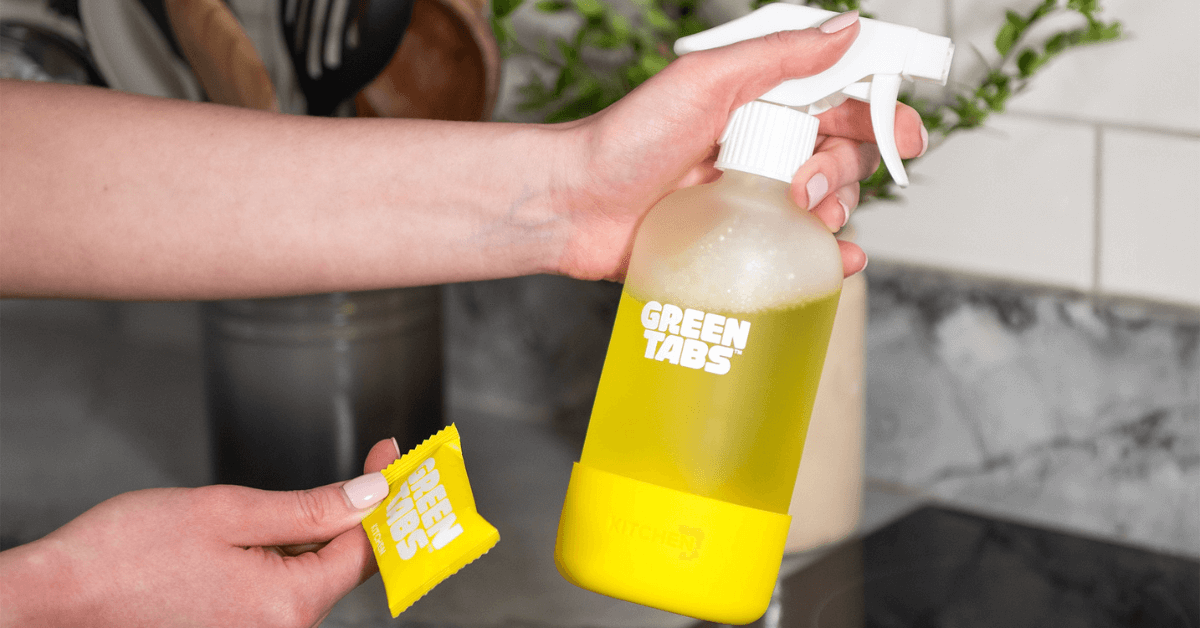
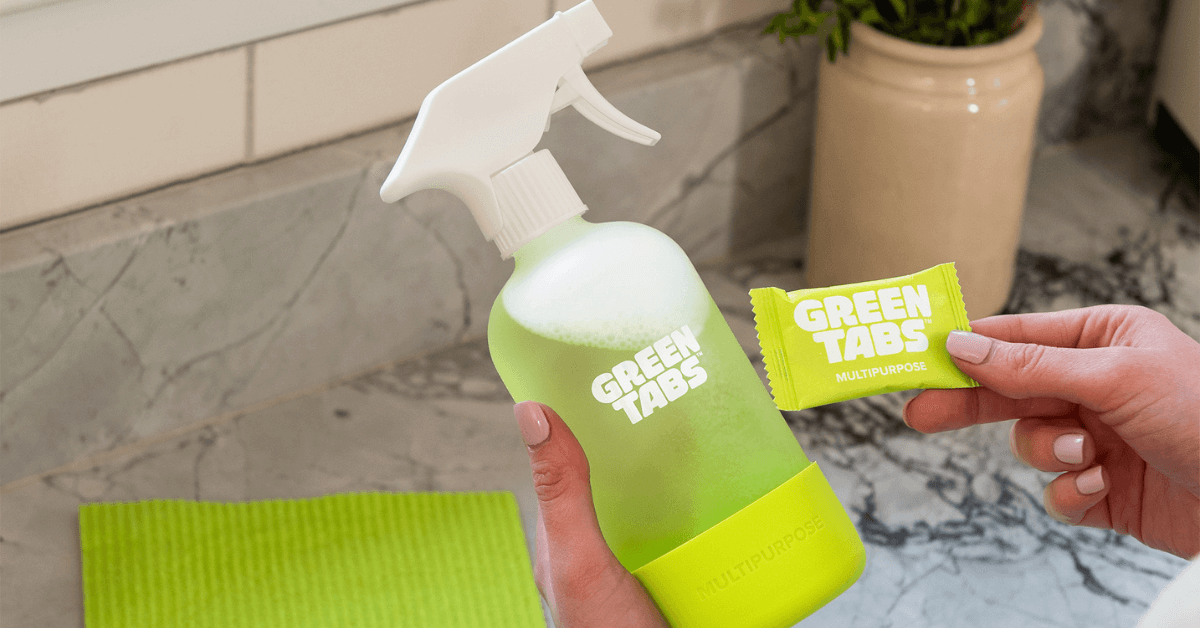
Foaming Hand Soap GreenTabs™ does not arrive as a pre-mixed liquid. It starts as a concentrated GreenTab™. You drop the tablet into a refillable glass bottle, add tap water, and allow it to dissolve. This creates the full foaming formula at home.
The system uses a controlled pump that releases approximately 0.8ml per use. That smaller dose means each refill can last significantly longer than many standard gel soaps. Many liquid pumps dispense more product per press, which leads to faster replacement.
Foaming Hand Soap GreenTabs™ kill 99.9% of bacteria while remaining gentle enough for frequent daily washing. Fragrance comes from essential oil blends rather than heavy synthetic perfumes. This supports skin comfort and reduces unnecessary synthetic additives.
This just-add-water format reduces transport weight and cuts plastic waste. Instead of repeatedly buying pre-filled plastic bottles that are mostly water, you reuse the same bottle and add a new tab.
Foam alone does not define performance. When paired with measured dispensing, refillable packaging and balanced formulation, it delivers efficient hygiene with lower waste.
👉 Make the switch to Foaming Hand Soap GreenTabs™ with a Starter Kit
Liquid and Gel Soap
Liquid or gel soap dominates UK sinks. Most households buy it in single-use plastic pump bottles.
Gel requires mechanical rubbing to create a lather. That action can encourage longer washing. However, standard pumps usually release more product per press than foam systems. Higher output leads to faster consumption and more frequent replacement.
Manufacturers sell most liquid soaps pre-mixed with water. This increases weight during transport and adds bulk on shelves. Once empty, many people throw away the bottle. Mixed-material pump heads make recycling difficult through standard kerbside systems.
Gel formats remain practical and familiar. But in terms of longevity and packaging waste, they often generate more repeat plastic use than refillable hand soap systems.
Bar Soap
Bar soap reduces packaging. Most brands wrap bars in paper or cardboard, which cuts plastic at source.
Bars take up little space and travel well. They also remove the need for plastic pump mechanisms.
Yet, bars dissolve faster when left sitting in water. Without proper drainage, they soften and break down quickly. In shared bathrooms, some people feel uncomfortable using the same bar, even though research shows low transfer risk when soap drains between uses.
Which Soap Is Most Effective at Killing Bacteria?

All soaps remove bacteria when you wash properly. Soap binds to oils and dirt. It lifts microorganisms from the skin. Water then rinses them away. Technique drives results. Wash for at least 20 seconds and cover all areas of the hands.
Most UK households do not need soap that is antibacterial for routine use. Standard soap removes bacteria effectively when used correctly. Public health guidance supports this approach.
Some products promote themselves as the best antibac soap. In reality, stronger antimicrobial agents are not essential in everyday domestic settings. Frequent exposure to harsh antibacterial ingredients can dry or irritate skin.
Formulation matters more than marketing claims.
Foaming Hand Soap GreenTabs™ kill 99.9% of bacteria while remaining gentle enough for frequent daily washing. This balance allows households to maintain strong hygiene standards without relying on aggressive chemistry.
Foam format can also support better coverage. Because it spreads quickly across the hands, it encourages even distribution before rinsing. Combined with a measured pump and balanced formulation, this makes foaming hand soap a practical option for daily use.
Natural hand soap options can also clean effectively. The key is consistency. Ingredients, dosage and washing technique shape outcomes more than format alone.
When hygiene, skin comfort and controlled dispensing align, refillable foaming systems often offer the most balanced solution.
Environmental Impact Comparison of Hand Soap
When comparing soap formats, hygiene tells only part of the story. Environmental impact often separates foam, gel and bar more clearly.
Plastic Waste
Most liquid and gel soaps come in single-use plastic bottles. Even when recyclable, pump mechanisms combine materials that local kerbside systems rarely process. As a result, many pumps end up in general waste.
Bar soap reduces packaging significantly. Many brands use cardboard or paper wrapping, which lowers plastic at source.
Refillable hand soap systems reduce repeat plastic use more effectively. Instead of replacing the full bottle each time, you reuse the glass forever bottle, available with Hand Soap GreenTabs™. This cuts the number of plastic bottles entering the waste stream.
For households exploring eco friendly hand soap options, refill models offer one of the most practical long-term reductions.
Transport Footprint
Most liquid soap is mostly water. Manufacturers mix it at source and ship it in full plastic bottles. This increases weight during transport and raises the carbon footprint per unit.
Just-add-water systems erase that load. Concentrated formats ship as lightweight tablets rather than water-filled containers. Consumers add tap water at home. This approach lowers transport emissions and reduces packaging bulk.
Within eco cleaning products, this shift toward concentration and refill represents a growing trend in UK households.
Longevity and Consumption
Dispensing volume also affects environmental impact. Standard gel pumps often release around 2ml of product per press. Higher output leads to faster replacement and more frequent purchases.
Foaming Hand Soap GreenTabs™ use a controlled pump that releases approximately 0.8ml per use. Smaller doses extend lifespan. Longer-lasting products mean fewer refills and less packaging.
Bar soap longevity depends heavily on storage. When kept dry, bars can last well. When left in standing water, they are quick to dissolve, which shortens their usable life.
Across plastic reduction, transport weight and consumption efficiency, refillable foaming systems stand out as a sustainable hand soap option.
Why Refillable Foaming Hand Soap Is Growing in the UK

UK households are shifting toward refill systems across eco cleaning products. From laundry to kitchen sprays, concentrated formats reduce waste and storage. Hand soap now follows the same pattern.
Foaming Hand Soap GreenTabs™ fits this shift. The system uses a reusable glass bottle and concentrated just-add-water GreenTabs™. You drop the tablet into the bottle, add tap water, and allow it to dissolve. The pump then dispenses foam at the sink.
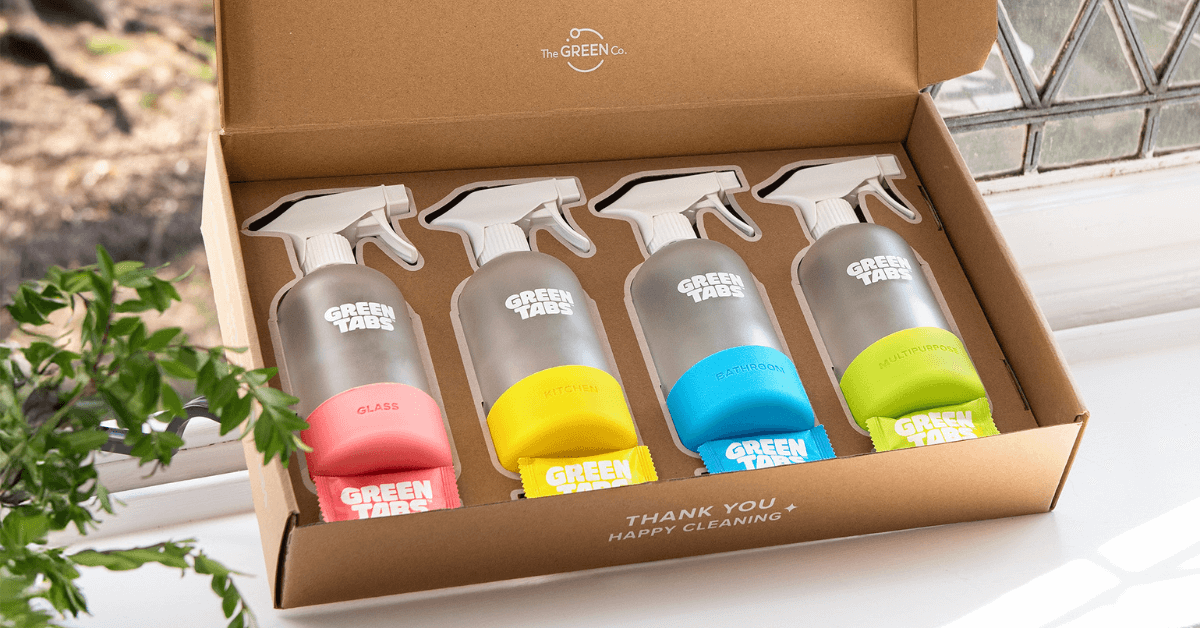
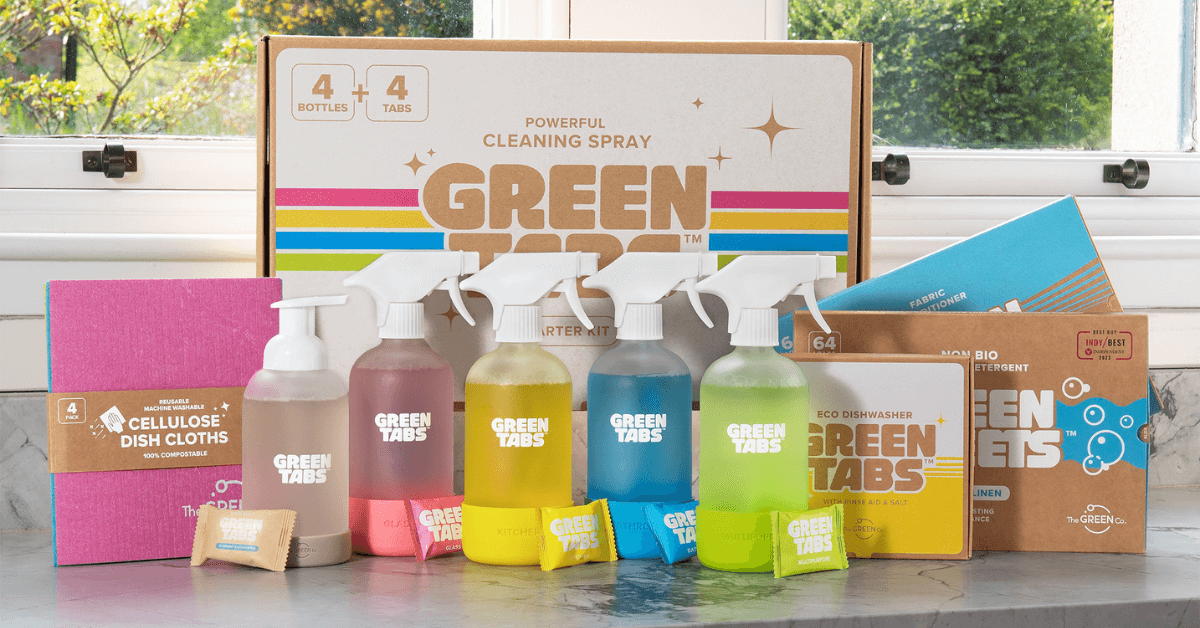
The Foaming Hand Soap GreenTabs™ Starter Kit provides the refillable glass bottle and first tab. After that, households only need the Foaming Hand Soap GreenTabs™ Refill Pack. These avoids replacing the full container each time.
The formula kills 99.9% of bacteria while remaining gentle for daily use. Each pump releases approximately 0.8ml, helping each refill last longer than many standard gel soaps.
Fragrance comes from essential oil blends rather than heavy synthetic perfumes. Options include Coconut and Sandalwood, Lavender and Vanilla, Citrus and Mint, and Rosemary and Eucalyptus.
👉 Shop A Starter Kit and Pick Your Favourite Fragrance
The appeal is practical rather than trendy. Refillable foaming systems reduce plastic, cut transport weight, and extend product lifespan without compromising hygiene.
What’s the Best Hand Soap for You?
Each format offers strengths. Bar soap reduces packaging and works well when stored properly. It suits minimal setups and travel.
Liquid or gel soap remains familiar and widely available. However, it often uses more product per wash. This generates repeat plastic waste through frequent bottle replacement.
Foaming hand soap sits between the two. It delivers effective cleaning while controlling dosage. When paired with a refill system, it also reduces transport weight and plastic waste.
Here’s a simplified comparison:
Hygiene: All formats remove bacteria when used in the correct way. Foaming Hand Soap GreenTabs™ also kill 99.9% of bacteria while remaining gentle.
Skin Comfort: Foam spreads easily and encourages even coverage. Essential oil fragrances can reduce reliance on heavy synthetic perfumes.
Plastic Reduction: Bar soap cuts packaging. Refillable hand soap systems reduce repeat bottle waste more effectively over time.
Long-Term Value: Measured pumps, such as the 0.8ml release in Foaming Hand Soap GreenTabs™, extend lifespan and reduce replacement frequency.
If you prioritise packaging reduction above all else, bar soap remains simple. If you value familiarity, gel works well. But if you want balanced hygiene, controlled usage and lower plastic waste, refillable foaming systems offer the most complete solution.
FAQs
Is foaming hand soap as effective as gel?
Yes. When you wash properly for at least 20 seconds, foaming hand soap removes bacteria as effectively as gel or bar soap. Technique matters more than format. Some formulations, such as Foaming Hand Soap GreenTabs™, also kill 99.9% of bacteria while remaining gentle for everyday use.
Is soap that is antibacterial necessary at home?
Most UK households do not need heavy-duty antibacterial soap for routine use. Standard soap removes bacteria effectively when used correctly. Reserve stronger antimicrobial products for clinical or high-risk environments.
What is the most eco friendly hand soap?
Bar soap reduces packaging at source. However, refillable hand soap systems often provide the most balanced long-term option. Concentrated formats reduce transport weight, cut plastic waste and extend product lifespan.
Are refillable hand soap systems cheaper long term?
They often are. Controlled pumps reduce product use per wash, and purchasing a hand soap refill instead of a full plastic bottle lowers repeat packaging costs. Over time, refill systems can offer better value per use.