How To Wash Bed Sheets For Fresh, Soft And Eco-Friendly Bedding

Wondering how to wash bed sheets so they stay clean, soft and eco friendly? With the right routine, you can enjoy that fresh, hotel feel at home using natural laundry detergent that’s gentle on both fabric and the planet.
This guide covers everything you need to know. You’ll learn how often to wash your sheets, what temperature to use, and the best way to dry them. It also includes simple tips for families, allergy sufferers and anyone wanting a more sustainable laundry routine.
How Often Should You Wash Bed Sheets?
Most people should wash their bed sheets once a week. Regular washing keeps your bedding fresh and removes sweat, oils, and dust that build up over time. It also helps your bed stay comfortable and hygienic for a better night’s sleep.
A YouGov survey found that only 39% of UK adults wash their sheets weekly, while 37% do so every two to three weeks. That means most households are leaving it longer than experts recommend.
If you have allergies, sensitive skin, or pets that sleep on the bed, try washing your sheets every 7–10 days. This balance helps reduce dust mites and allergens without wasting water or energy.
During summer or after illness, you might want to wash them a little more often. Warm weather and extra perspiration mean your bedding needs a touch more care to stay clean and soft.
For most homes, sticking to a weekly wash is ideal. The key is keeping your routine consistent so your bed always feels fresh when you climb in.
What Temperature Should You Wash Bed Sheets At?
Choosing the right temperature makes a big difference to how clean, soft, and long-lasting your sheets stay. Many people assume hotter is always better, but that isn’t true for every fabric, or for the planet.
For most households, 40°C strikes the ideal balance. It’s warm enough to remove body oils and dirt, yet gentle enough to protect fibres and colours. When paired with an effective natural laundry detergent, you’ll still achieve a deep, hygienic clean without using excess heat.
If someone in your home has been unwell, or if your bedding is soiled, wash at 60°C. This eliminates bacteria more effectively. Always check fabric care labels first, especially for linen or silk sheets. These fabrics need cooler water.
For lightly used bedding, a 30°C or eco setting can work well. Modern detergents clean well at lower temperatures, saving both energy and money. Washing consistently at 40°C instead of 60°C can cut energy use by up to 35%, according to the Energy Saving Trust. Lower temperatures protect fabrics, conserve energy, and keep your bedding fresh for longer.
How To Wash Bed Sheets In The Washing Machine

Start by checking the care label on your bedding. It tells you the safest temperature and cycle for each fabric type. Cotton sheets can handle warmer washes, while linen and silk prefer gentler settings.
1. Separate colours: Wash light and dark sheets separately to prevent colour transfer. Whites benefit from their own wash cycle to keep them bright.
2. Load with care: Avoid overfilling the machine. Sheets need space to move so detergent and water can circulate properly. A half to three-quarters full drum gives the best clean.
3. Choose the right cycle: Use a standard or eco cycle instead of a heavy-duty wash. It’s gentler on fabric and uses less energy and water.
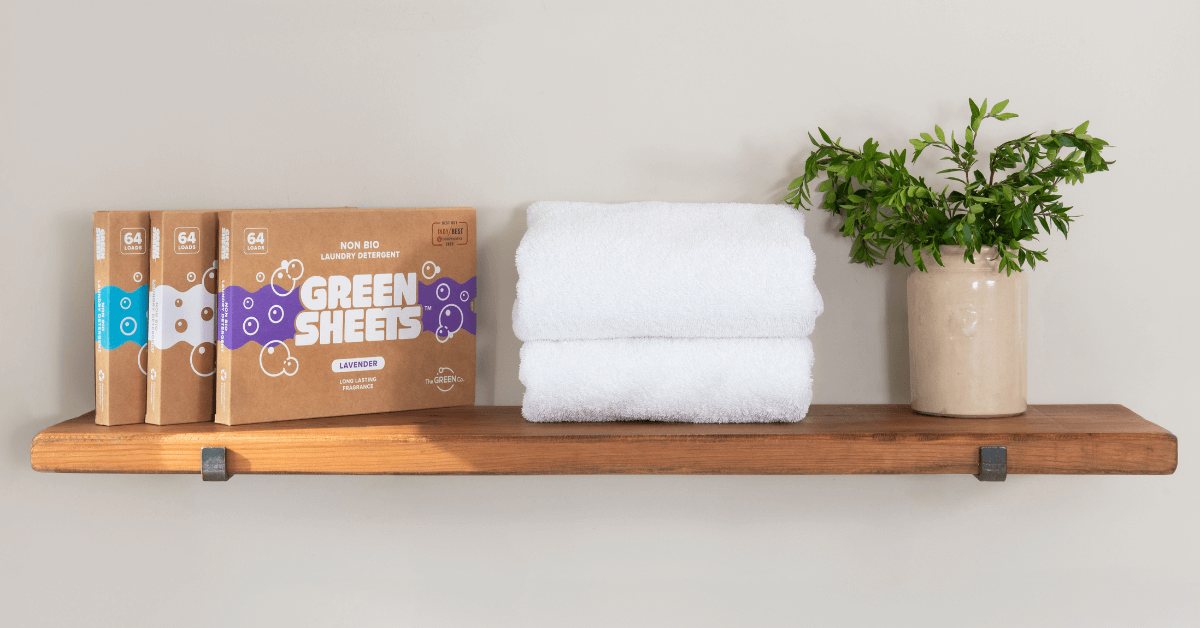
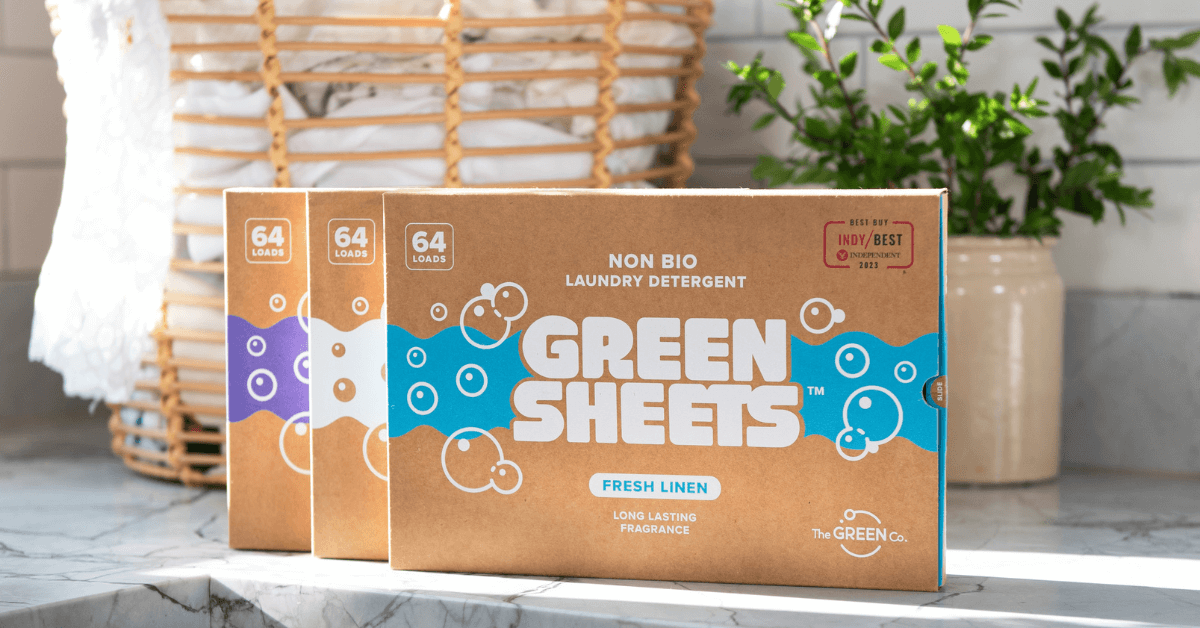
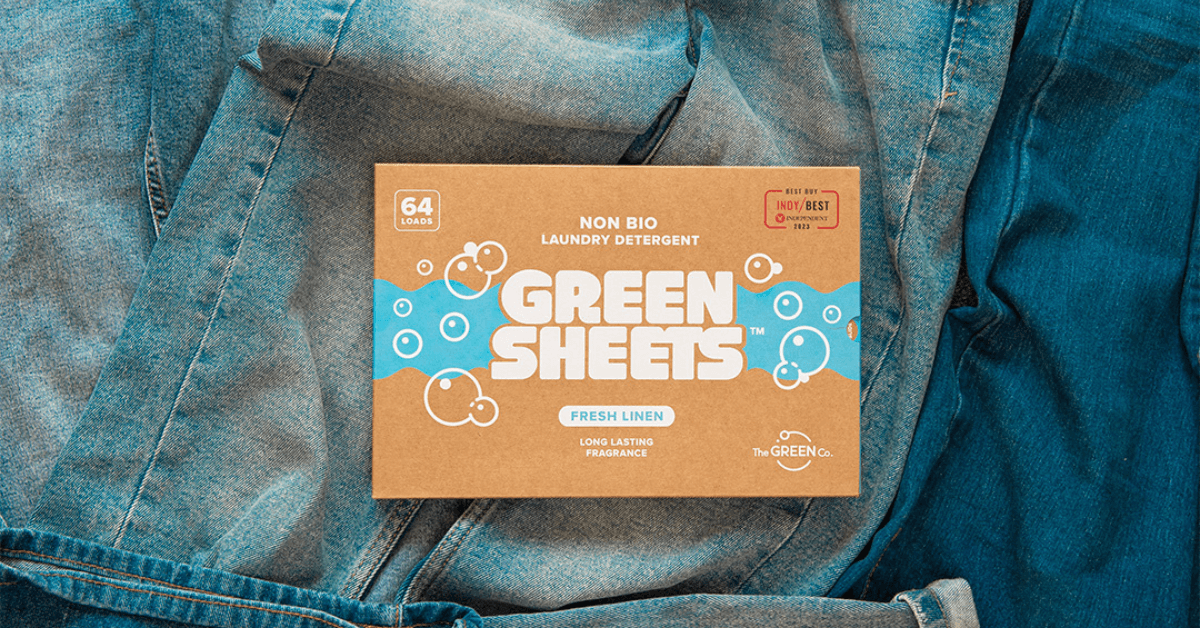
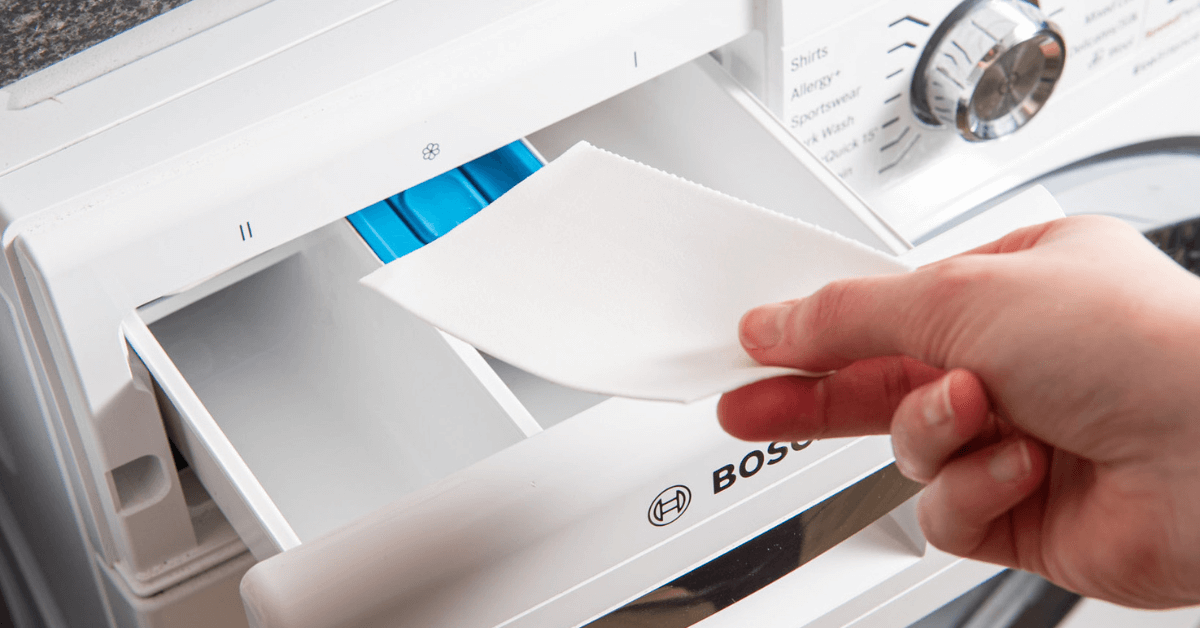
4. Add laundry detergent: Use a natural laundry detergent that dissolves quickly and leaves no residue. Laundry Detergent GreenSheets™ are a simple, low-waste option. They deliver an effective clean at lower temperatures while being kind to sensitive skin.
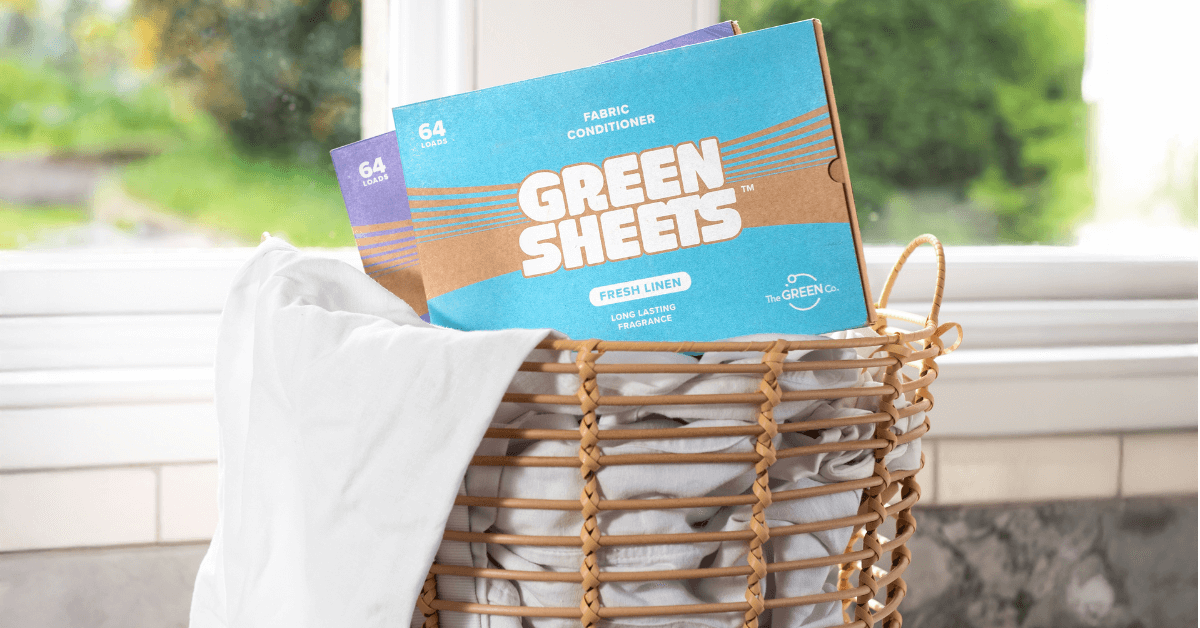
5. Add fabric conditioner (optional): For extra softness, add a gentle, plant-based formula that prevents stiffness and static without coating fabrics. Fabric Conditioner GreenSheets™ leave bedding smooth and fresh without residue.
6. Finish with a quick shake: Once the cycle ends, remove sheets immediately. Give them a light shake to reduce wrinkles, and prepare them for drying.
Washing bed sheets in the machine doesn’t need to be complicated. With the right detergent and cycle, you can achieve a clean, fresh result every time while keeping energy use low.
What Detergent Should You Use For Bed Sheets?

The detergent you choose affects not only how clean your sheets feel but also how long they last. Many traditional detergents contain harsh chemicals, synthetic fragrances, and brighteners. These can leave residue behind and irritate sensitive skin.
An eco laundry detergent is a smarter choice for both your fabrics and the environment. It lifts dirt even at lower temperatures. It also helps preserve colours and keeps fibres soft without relying on harsh additives.
Laundry Detergent GreenSheets™ make washing simple. Each pre-measured sheet dissolves in the wash, leaving no residue or waste. They clean with power at 30–40°C and help lower your carbon footprint. Delivered straight to your door, they’re always ready for your next bedding wash day. No spills, no bulky bottles, just clean, fresh sheets every time.
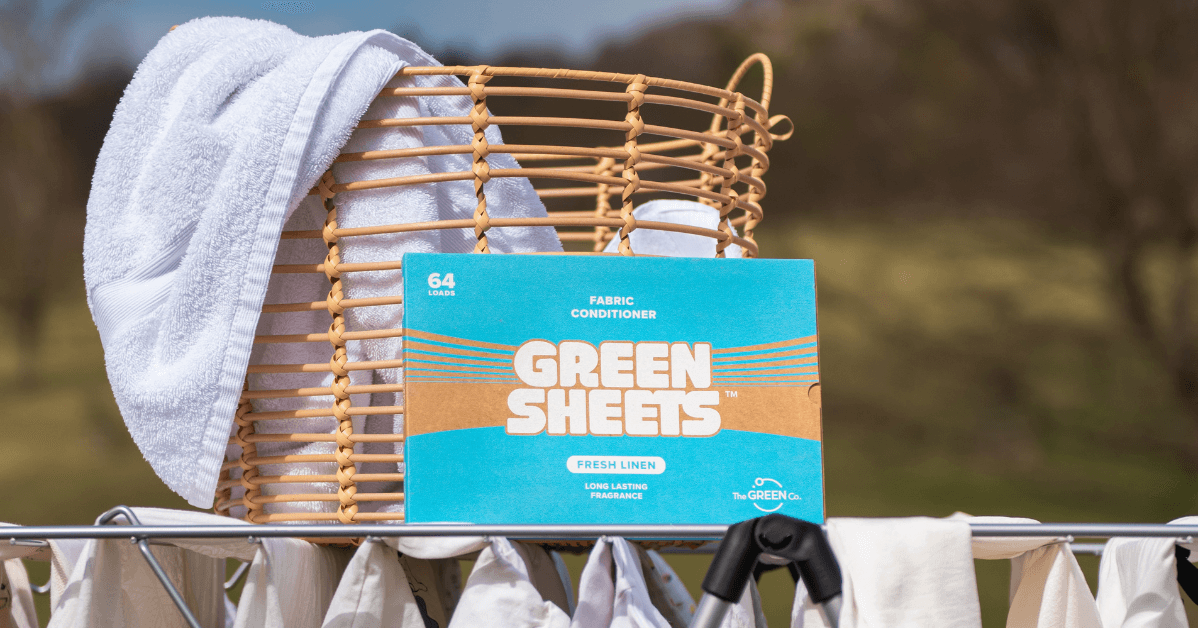
For extra softness, use Fabric Conditioner GreenSheets™ alongside them. They smooth fibres, reduce wrinkles, and leave your bedding light and comfortable without coating it in residue.
How To Wash White, Coloured And Delicate Bedding
Different fabrics need different care to stay soft and bright. With the right temperature, detergent, and drying method, you can keep your bedding fresh for longer without fading or wear.
How To Wash White Sheets
Wash white sheets separately to prevent colour transfer. Set your machine to 30–40°C for a clean, bright result. A natural detergent works well at this temperature. Laundry Detergent GreenSheets™ dissolve fast and lift dirt. They keep whites fresh without bleach or brighteners. Add a small scoop of baking soda every few washes to naturally boost brightness.
How to Wash Coloured Sheets
Coloured bedding stays vibrant for longer when washed on a cooler cycle (30–40°C). Turn pillowcases and duvet covers inside out to protect colours from rubbing in the drum. Avoid bleach or whitening agents, which can dull shades over time.
How to Wash Delicate Sheets (Silk, Linen or Bamboo)
Wash delicate fabrics on a gentle or handwash cycle using cold or cool water. Add a plant-based detergent sheet to lift dirt without damaging fibres. Laundry Detergent GreenSheets™ dissolve easily, making them ideal for both machine and handwashing. Always air dry delicate materials to protect their texture and prevent shrinkage.
Caring for each fabric type properly helps extend its life and keeps your bedding feeling new for longer.
How to Dry Bed Sheets And Keep Them Soft
Drying your sheets properly helps them stay soft, smooth, and long lasting. The right method also saves energy and prevents wear.
How to Air Dry Bed Sheets
Whenever possible, hang your sheets outside or on an indoor airer. Fresh air and sunlight naturally refresh fabric and give bedding that crisp, clean feel. Shake sheets before hanging to reduce wrinkles and speed up drying.
How to Tumble Dry Bed Sheets
If you use a tumble dryer, choose a low heat or eco setting. Overheating can shrink fibres and make them rough over time. Remove sheets while they’re still slightly damp, then smooth or fold them to prevent creases.
Extra Softness Tip For Bed Sheets
Add Fabric Conditioner GreenSheets™ during the wash to keep fibres soft without residue. They help your sheets dry evenly and stay smooth, even when air dried.
Letting sheets dry naturally wherever possible saves energy, protects fabrics, and keeps your bed feeling fresh and comfortable.
How To Wash Duvets, Pillows And Bedding Protectors
Duvets, pillows, and bedding protectors need care when washing too. They don’t require washing as often as sheets. Keeping them clean helps prevent dust mites and keeps your bed feeling fresh.
How to Wash Duvets
Wash duvets two to three times a year, or more often if you have allergies. Always check the care label first to see if it’s machine washable. Use a large-capacity drum so the filling can move freely. Wash on a cool or 40°C cycle with Laundry Detergent GreenSheets™ for a thorough clean without heavy chemicals. Ensure the duvet is dry before using to prevent dampness or odours.
How to Wash Pillows
Wash pillows every few months to remove oils and dust. Wash two at a time to balance the drum, and use a gentle spin to protect the filling. Tumble dry on low heat with clean dryer balls to help them dry evenly and stay fluffy.
How to Wash Bedding Protectors
Mattress, pillow, and duvet protectors act as a barrier against sweat and bacteria. Wash them every one to two months on a gentle, 30–40°C cycle. Always dry protectors completely before putting them back on the bed to keep your sleep space fresh and healthy.
Common Mistakes To Avoid When Washing Bed Sheets
Even small washing mistakes can stop your sheets from feeling as soft and clean as they should. Avoiding these habits helps your bedding last longer and stay fresh after every wash.
Overloading the machine: Stuffing too many bed sheets into one load stops water and detergent from circulating properly. Give your bedding space to move so it can wash and rinse evenly.
Using too much detergent: More detergent doesn’t mean a better clean. It can leave residue on fabric and make sheets feel stiff. Laundry Detergent GreenSheets™ are pre-measured, giving you the right amount every time with no waste.
Skipping the care label: Each fabric has its own needs. Ignoring temperature or cycle instructions can cause shrinkage or fading. Always check the label before washing.
Over drying: Leaving sheets in the tumble dryer for too long weakens fibres and increases wrinkles. Remove them while still slightly damp and let them air dry the rest of the way.
Neglecting your washing machine: A dirty drum can make clean sheets smell musty. Wipe the seal, run a hot empty cycle once a month, and keep your drawer clean. For more detail, read our full guide on how to clean a washing machine.
Following these steps keeps your sheets in top condition and your washing routine efficient and eco friendly.
FAQs
How often should you wash bed sheets?
Most people should wash their sheets once a week. This keeps bedding clean, fresh, and comfortable. If you have allergies, sensitive skin, or pets, wash every 7–10 days.
What temperature should I wash bedding at?
A 30–40°C wash is usually enough for a deep clean. Only use 60°C if someone in your home has been unwell or if bedding is heavily soiled.
Can I use eco laundry detergent sheets on bed sheets?
Yes. Laundry Detergent GreenSheets™ clean at lower temperatures and dissolve fully, leaving no residue or waste. They’re safe for all fabric types, including cotton and linen.
Can I wash sheets and towels together?
It’s best to wash them separately. Towels shed lint and need a hotter wash, while sheets clean better on a gentler cycle.
How do I wash silk or linen bed sheets?
Use a gentle or handwash cycle with cold or cool water. Add one Laundry Detergent GreenSheet™ to clean without damaging fibres. Always air dry to protect texture and shape.
Should I clean my washing machine before washing bedding?
Yes. Keeping your machine clean stops residue and odours from transferring to your sheets. Run an empty cycle with hot water and a little white vinegar once a month to keep it fresh and running efficiently.
Fresh, Clean Bedding Made Simple

Keeping your bedding fresh doesn’t need to use more time, energy, or waste. A consistent routine, lower wash temperatures, and the right products are all you need for soft, long lasting sheets.
Laundry Detergent GreenSheets™ and Fabric Conditioner GreenSheets™ deliver powerful cleaning at 30–40°C. They reduce plastic waste, and arrive ready to use. They give you a clean, simple way to care for your home and the planet.
Simple swaps make a real difference. Wash at lower temperatures, air dry where possible, and keep your machine clean to get the best results. These small steps help you build a more sustainable laundry routine that’s better for your home and the planet.
👉 Make your laundry routine easier, fresher, and more sustainable with our full GreenSheets™ range!