How to Remove Coffee Stains From Clothes, The Easy and Eco Friendly Way

This guide gives you clear, eco friendly steps to remove coffee stains from clothes. You will learn how stains form and how to treat fresh and dried marks. It will also include how GreenSheets™ support effective stain removal with less waste.
Why Coffee Stains Clothes
Coffee stains clothes because of natural compounds called tannins. Tannins give coffee its deep colour, but they also bind tightly to fabric fibres.
Why tannins cling to fabric
Tannins dissolve in water. When coffee spills onto clothes, the liquid carries tannins deep into the fibres. As the fabric dries, the tannins settle and grip the material. Heat makes this bond stronger. This is why stains often become permanent after washing with hot water or using a tumble dryer.
Natural fibres like cotton and linen absorb tannins quickly. Synthetic fabrics resist absorption at first, but stains can still set if left untreated. The longer coffee sits on fabric, the harder it becomes to remove.
Understanding how coffee stains form helps you choose the right treatment. This will help you avoid mistakes that lock the stain in place.
Act Fast: Why Speed Matters
Speed plays a huge role in whether a coffee stain comes out fully. Fresh stains lift with a lot more ease than dried ones because the tannins have not had time to bond tightly to the fabric.
When coffee is still wet, the tannins remain loose. Cold water can flush them out before they settle. Once the stain dries, the tannins harden and cling to fibres. This makes removal slower and less reliable.
Cold water vs hot water
Cold water is always the right choice at first. Hot water sets tannins into fabric and makes stains harder to remove. Even warm water can lock the stain in place if used too early.
If you spill coffee, blot the area straight away. Use a clean cloth and press gently. Do not rub. Rubbing spreads the stain and pushes it deeper into the fibres. Acting fast gives you the best chance of removing the stain completely.
How to Remove Fresh Coffee Stains
Fresh coffee stains are the easiest to remove. The goal is to flush out the tannins before they settle into the fabric. Start as soon as the spill happens.
Rinse the stained area under cold running water. Hold the fabric so the water flows through the back of the stain. This pushes the coffee out rather than deeper into the fibres.
If water alone does not remove the stain, pre treat it before washing.
Step by step method:
-
Blot the stain with care with a clean cloth. Remove as much liquid as possible.
-
Rinse with cold water from the back of the fabric.
-
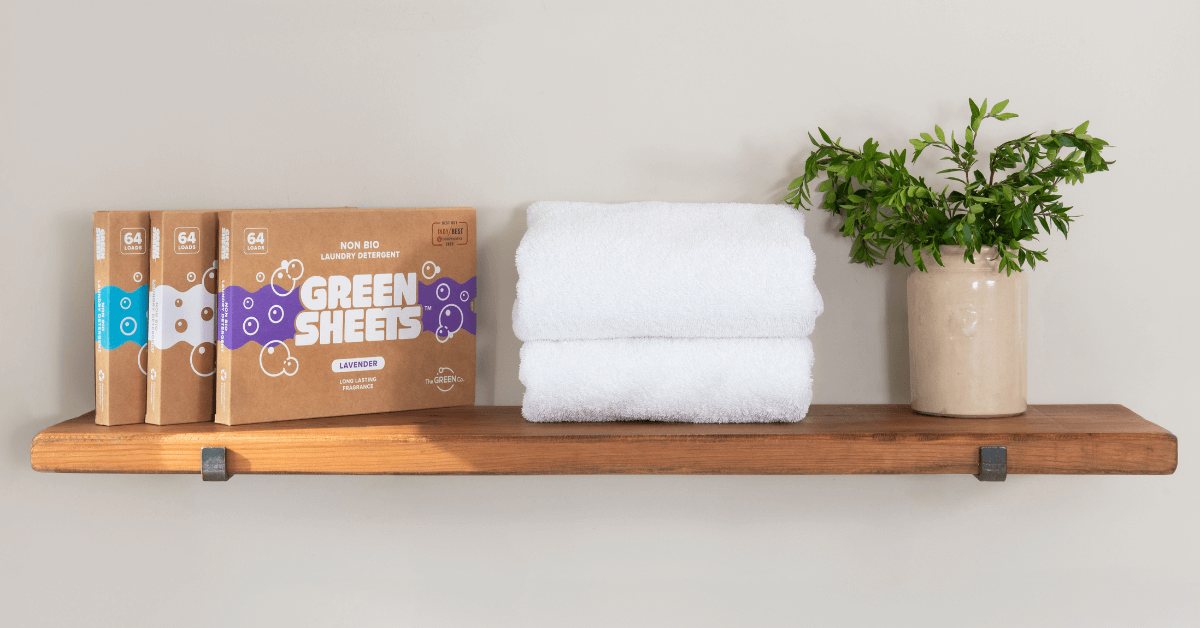
Dissolve a small amount of Laundry Detergent GreenSheets™ in cold water.
-
Apply the solution to the stain and work it in gently with your fingers.
-
Leave it to sit for five to ten minutes.
-
Wash the garment on a cold cycle using a natural laundry detergent.
Check the stain before drying. If any mark remains, repeat the process. Heat will set the stain if you dry the garment too soon.
How to Remove Dried Coffee Stains

Dried coffee stains take more effort, but you can still remove them. The goal is to loosen the tannins before washing the fabric.
Start by rehydrating the stain. This helps release the tannins that have settled into the fibres.
Step by step method:
-
Soak the stained area in cold water for at least thirty minutes.
-
Gently squeeze the fabric to help the water reach the fibres.
-
Dissolve a small amount of Laundry Detergent GreenSheets™ in cold water.
-
Apply the solution directly to the stain and work it in with care.
-
Leave it to sit for ten to fifteen minutes.
-
Wash the garment on a cold cycle using an eco laundry detergent.
Check the stain before drying. Repeat the steps if needed. Avoid heat until the stain has fully lifted.
How Different Fabrics Respond to Coffee Stains
Not all fabrics react the same way to coffee stains. Knowing what you are dealing with helps you choose the safest treatment.
Cotton and linen
Cotton and linen quickly absorb coffee. The fibres trap tannins deep inside, but they also respond well to water based treatments. Cold water rinsing and gentle pre treatment usually remove fresh stains with ease. Avoid heat until the stain is gone completely.
Synthetic fabrics
Polyester and other synthetics resist absorption at first, but stains can still set if left too long. These fabrics respond well to cold water and light agitation. Do not scrub hard, as this can damage the surface and trap the stain.
Wool and silk
Wool and silk need extra care. These fibres weaken when wet and do not react well to rubbing. Blot with ease and rinse with cold water only if the care label allows it. If the stain remains, use a mild detergent solution and handle the fabric as little as possible.
Denim
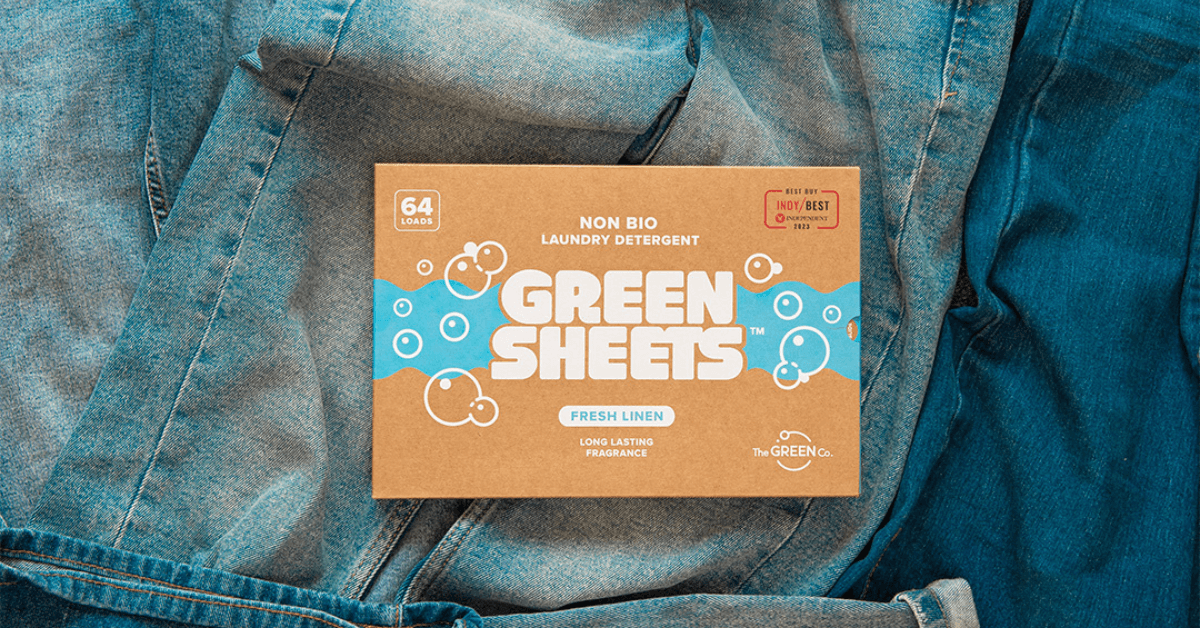
Denim is durable but slow to release stains once they set. Always rinse from the back of the fabric and avoid hot washes. Repeat gentle treatments rather than using stronger products. For more detailed care tips, see our full guide on how to wash and care for denim properly.
Eco Friendly Ways to Treat Coffee Stains

You do not need harsh chemicals to remove coffee stains. Simple, low impact methods work well when used correctly and early.
Cold water remains the most important tool. It lifts tannins without setting the stain and protects fabric fibres.
The most effective eco safe stain lifting ingredients
Natural laundry detergent solutions help loosen dried coffee stains. Dissolving Laundry Detergent GreenSheets™ in cold water creates a gentle pre treatment. This lifts stains without overdosing fabric.
White vinegar can help with stubborn marks when diluted with water. Use it sparingly and rinse well after treatment to avoid lingering smells.
Bicarbonate of soda can absorb moisture and help lift fresh stains. A light sprinkle before letting it sit, then rinse with cold water. Avoid scrubbing, which can damage fibres.
Avoid mixing multiple methods at once. Using too many treatments can weaken fabric and reduce stain removal success.
Choosing simple, low waste methods protects your clothes and keeps your laundry routine kinder to the planet.
Why GreenSheets™ Help Lift Coffee Stains
Coffee stains respond best to gentle, targeted cleaning. Overusing detergent can trap residue in fabric and make stains harder to remove over time.
Why overusing detergent makes stains worse
Too much detergent coats fibres instead of cleaning them. This coating holds onto tannins and dirt, which causes stains to linger. It can also leave fabric stiff and dull after washing.
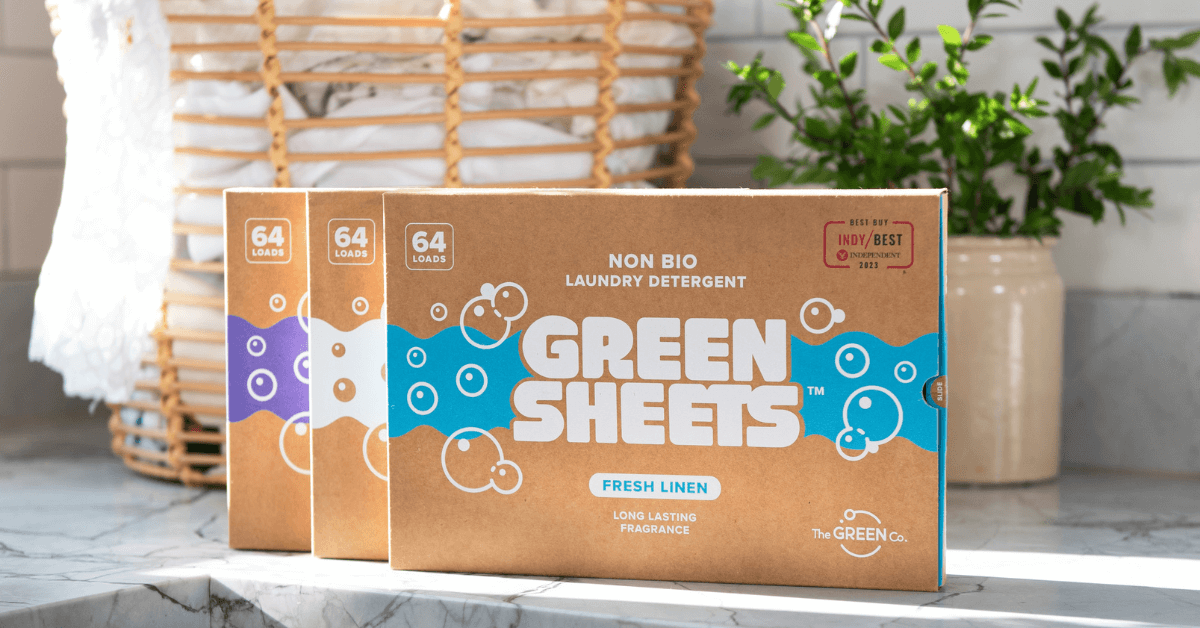
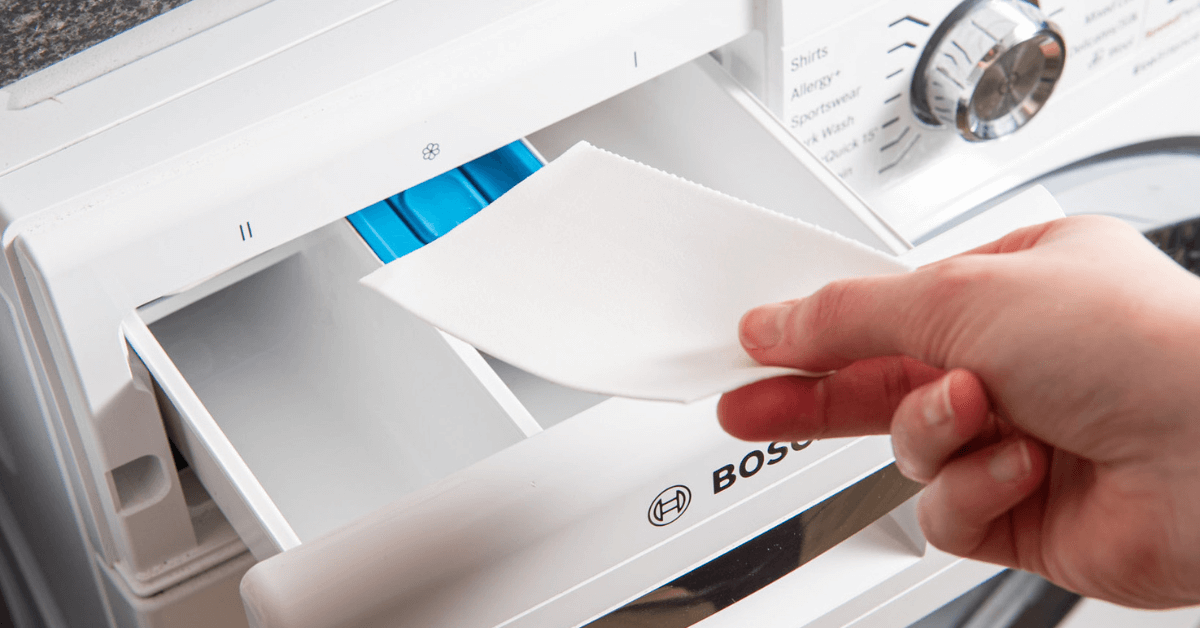
Laundry Detergent and Fabric Conditioner GreenSheets™ solve this problem. They deliver a precise dose every time. One sheet dissolves in water and spreads evenly through the wash. This helps lift stains without leaving residue behind.
GreenSheets™ work well for pre treatment and full washes. They clean effectively while supporting a low waste laundry routine. This makes them a practical choice for stain removal and everyday washing.
If you want an easy way to treat coffee stains without harsh chemicals, Laundry Detergent GreenSheets™ make stain removal simple and low waste.
What Not to Use on Coffee Stains
Some common stain removal tips can do more harm than good. Using the wrong method can set the stain, damage fabric or make removal harder later.
Avoid hot water at the start: Heat locks tannins into fabric and turns a fresh stain into a permanent one. Always use cold water first.
Avoid bleach on coloured clothes: Bleach can react with coffee stains and leave yellow or brown marks behind. It also weakens fibres and shortens the life of garments.
Avoid scrubbing hard: Aggressive rubbing pushes the stain deeper into the fabric and damages the fibres. Gentle pressure works far better.
Avoid overloading detergent: More product does not mean better cleaning. Too much detergent leaves residue that traps stains and dulls fabric over time.
Avoid home hacks like toothpaste, beer or egg yolk: These methods lack evidence and often leave new stains or odours behind.
Sticking to simple, proven steps protects your clothes and improves stain removal success.
How to Prevent Coffee Stains From Setting
Preventing a coffee stain is often easier than removing one. Small habits make a big difference when spills happen.
Blot spills straight away. Use a clean cloth or paper towel and press gently. Do not rub, as this spreads the stain.
Rinse with cold water as soon as you can. Even a quick rinse slows down how fast tannins bind to fabric.
Avoid heat until the stain is gone. Do not use hot water, radiators or tumble dryers on stained clothes. Heat locks stains into fibres and makes them harder to remove.
Wash stained clothes sooner rather than later. Leaving a garment in a laundry basket gives tannins more time to set.
Check clothes before drying. If you still see a faint mark after washing, repeat the treatment before applying heat.
Acting early protects fabrics and keeps stains from becoming permanent.
When to Seek Professional Help
Some coffee stains need expert care. This is often the case with delicate fabrics or older stains that have already set.
Seek professional help for garments made from silk, wool or suede if the stain does not lift with gentle treatment. These fabrics damage easily and can lose shape or texture if not handled correctly.
Consider a professional cleaner if the item has a dry clean only label. Home washing can cause shrinkage, colour loss or fabric distortion.
If a stain remains after several gentle attempts, stop treating it at home. Repeated washing and rubbing can make the problem worse. A professional cleaner can assess the fabric and use targeted methods that protect the garment.
Knowing when to stop helps preserve your clothes and avoids unnecessary damage.
Final Thoughts
Coffee stains can look stubborn, but most come out with the right approach. Acting quickly, using cold water and choosing gentle treatments make a big difference. Understanding how tannins bind to fabric helps you avoid mistakes that set stains permanently.
Simple, eco friendly methods protect your clothes and reduce unnecessary chemical use. Laundry Detergent and Fabric Conditioner GreenSheets™ support this approach by delivering effective cleaning with less waste.
🧺 Want a reliable way to deal with coffee stains and everyday laundry? Laundry Detergent and Fabric Conditioner GreenSheets™ make stain removal simple, effective and kinder to the planet.